
Hard water, loaded with calcium and magnesium minerals, wreaks havoc on pipes, appliances, and skin. If you’re seeing scale buildup on faucets, struggling with soap scum, or noticing your water heater working overtime, a high efficiency water softener might be the practical fix your home needs. Modern systems use less salt and water than older models while delivering the same results, making them a smart investment for homeowners serious about water quality. This guide walks you through what these systems do, their real benefits, and how to pick the right one for your home’s needs.
Table of Contents
ToggleKey Takeaways
- A high efficiency water softener uses demand-initiated regeneration to cut water waste by 15–30% and reduce salt consumption by 20–40% compared to traditional models.
- Hard water reduces appliance lifespan by 3–5 years and decreases efficiency by 15–30%, but softened water helps most households recover their $1,500–$2,500 investment within 5–10 years through energy and maintenance savings.
- Test your water hardness level through your local utility or with an inexpensive test kit before selecting a softener—oversizing wastes salt and money while undersizing leaves you with partially softened water.
- Choose demand-initiated regeneration over timer-based systems for long-term efficiency, and select grain capacity based on your household size and hardness level using manufacturer sizing charts.
- A high efficiency water softener reduces detergent use by 30–50% and protects pipes from scale buildup, improving water pressure and appliance performance within weeks of installation.
What Is A High Efficiency Water Softener?
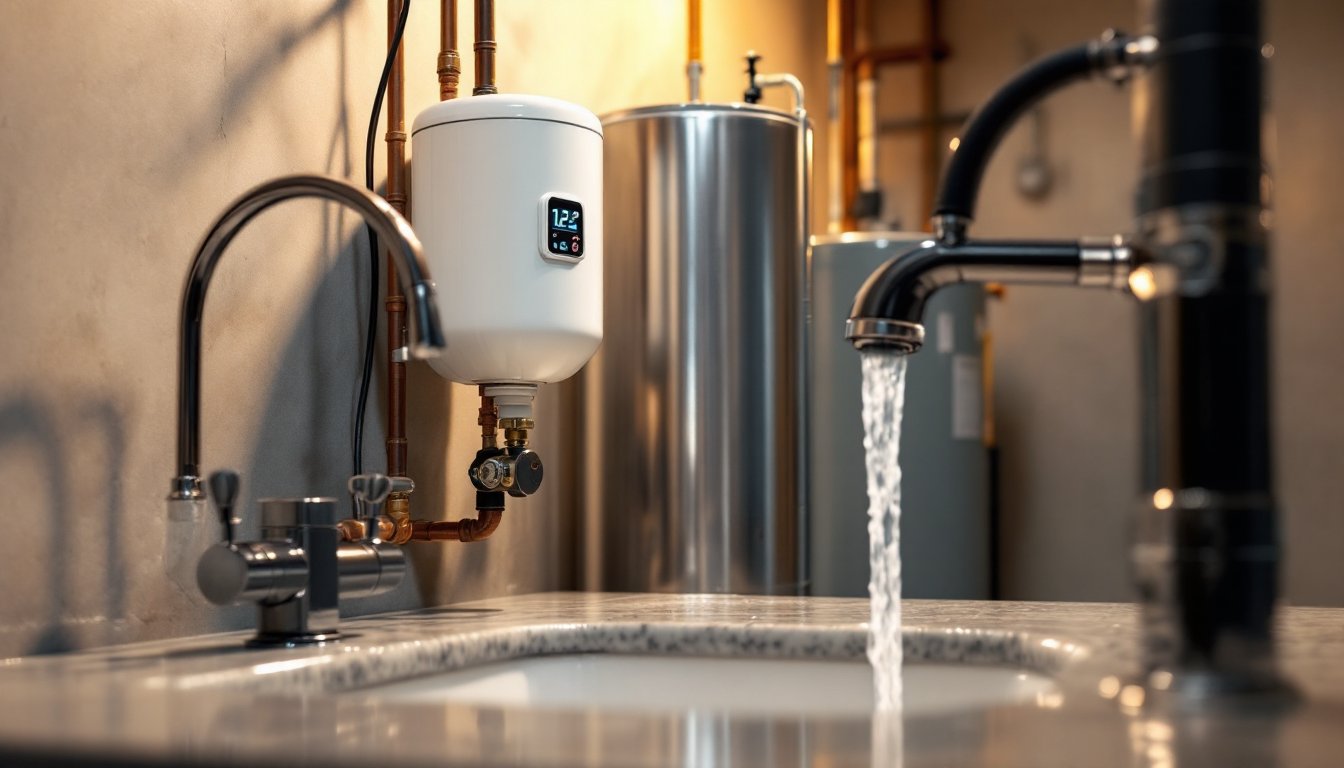
A high efficiency water softener removes hardness-causing minerals from your water supply using an ion exchange process. Hard water contains dissolved calcium and magnesium ions. When water flows through the softener’s resin tank, these minerals stick to resin beads charged with sodium or potassium ions, swapping places in a chemical exchange. The softened water, now safe for pipes and appliances, flows to your home, while the mineral-laden resin eventually needs to regenerate.
The “high efficiency” part matters. Older water softeners waste significant amounts of water and salt during the regeneration cycle when the system cleans and recharges the resin. Modern high-efficiency models use demand-initiated regeneration (DIR), meaning they only regenerate when the resin actually becomes saturated with minerals, not on a fixed schedule. This cuts water waste by 15–30% and reduces salt consumption by 20–40% compared to traditional softeners, according to real-world testing.
These systems typically measure water hardness in grains per gallon (GPG) or parts per million (PPM). Residential softeners range from 24,000 to 80,000 grain capacity, meaning they can soften that amount of water before needing regeneration. A four-person household with moderately hard water (10 GPG) might regenerate every 5–7 days with a standard system: a high-efficiency model could stretch that to 10–14 days.
Key Benefits For Homeowners
The benefits of installing a high efficiency water softener extend beyond just softer skin and shinier hair, though those happen too.
Appliance longevity is the biggest win. Scale buildup inside water heaters, dishwashers, and washing machines forces them to work harder and fail earlier. Hard water shortens the lifespan of a $1,200 water heater by 3–5 years and reduces appliance efficiency by 15–30%. Softened water means your appliances live longer, run cleaner, and cost less to operate. A typical household recovers the $1,500–$2,500 cost of a quality softener in energy savings and extended appliance life within 5–10 years.
Plumbing protection is another practical benefit. Scale accumulates inside pipes, reducing flow and straining your water pressure over time. Softened water prevents new scale from forming and, in some cases, helps dissolve existing buildup gradually. Homeowners in areas with 15+ GPG water hardness notice improved shower pressure and faster-filling bathtubs within weeks.
Reduced soap and detergent use might seem minor until you tally it up. Hard water prevents soap from lathering properly, so most people use 30–50% more detergent in showers and laundry. Softened water lets soap work as intended, cleaner clothes, less residue, and lower cleaning product costs. Your water heater also works more efficiently with softened water, since soft water heats faster and distributes heat better.
High-efficiency models specifically save money through lower regenerant costs. If you choose a potassium chloride system instead of sodium, you avoid the sodium disposal concerns some municipalities have, though potassium-based softeners cost 20–30% more upfront. Either way, high-efficiency regeneration means fewer salt bags to haul and lower long-term operating costs than traditional units.
How To Select The Right System For Your Home
Picking the right softener requires two key assessments: your actual water hardness level and the system features that match your household size and water usage.
Assessing Your Water Hardness Level
You can’t choose a correctly sized softener without knowing your water hardness. Start by testing your water. Your local water utility (usually listed on your water bill) provides free hardness data, or you can purchase an inexpensive hardness test kit ($8–$15) from any hardware store. Testing involves a simple chemical reaction that tells you hardness in PPM or GPG.
As a reference: water under 60 PPM (3.5 GPG) is considered soft, 61–120 PPM (4–7 GPG) is moderately hard, and anything above 180 PPM (10+ GPG) is very hard. If your local water supply tests at 12 GPG and your household uses 300 gallons daily, you need a softener with at least 40,000–50,000 grain capacity and demand-initiated regeneration to handle the load efficiently.
Don’t skip this step. Oversizing a softener wastes money and cycles more salt than necessary: undersizing leaves you with partially softened water on high-use days. Most manufacturers provide sizing charts online, use them or consult with a local water treatment professional if you’re unsure.
Comparing System Types And Features
Once you know your hardness level and daily water use, compare these features:
Regeneration type matters most. Demand-initiated regeneration (DIR) is the hallmark of high-efficiency systems, it regenerates only when needed. Timer-based systems regenerate on a fixed schedule regardless of actual usage and waste water even if softening capacity remains. DIR always wins for efficiency and long-term savings.
Salt vs. potassium chloride is your second choice. Sodium-based softeners are cheaper upfront and more widely available. Potassium chloride eliminates sodium waste concerns and suits homes with strict dietary sodium needs, but costs 20–30% more. Both work equally well at removing hardness minerals.
Grain capacity should match your household size and hardness level. A family of four in moderate-hardness water typically needs 40,000–50,000 grains. Larger households or very hard water may need 60,000–80,000 grains. Check the manufacturer’s sizing chart, don’t guess.
Brine tank size affects how often you refill salt or potassium. Larger tanks (50–100 pounds capacity) mean fewer refills but take up more space. Smaller tanks (30–40 pounds) need more frequent refills but fit tight utility closets.
Warranty coverage varies widely. Entry-level systems offer 5-year warranties: premium models cover 10 years or more on the tank and 5–7 years on electronics and valves. A longer warranty often signals better build quality and reliability.
Read real user reviews on product pages and independent sites like Good Housekeeping and Angi for tested recommendations and long-term owner feedback. Installation costs typically run $500–$1,500 depending on your plumbing layout and whether you hire a professional, a straightforward installation in an accessible location is manageable for confident DIYers, but complex setups warrant a licensed plumber. If your home’s main water line is buried, in the crawlspace, or requires significant rerouting, professional installation is the safer choice.
Conclusion
A high efficiency water softener solves hard water problems while keeping operating costs low. Test your water hardness, size the system correctly for your household and usage, and choose demand-initiated regeneration for the best results. Whether you install it yourself or hire a professional, the investment pays for itself through appliance longevity, energy savings, and reduced detergent costs. Hard water won’t disappear, but the right softener system makes living with it far less expensive and far more comfortable.