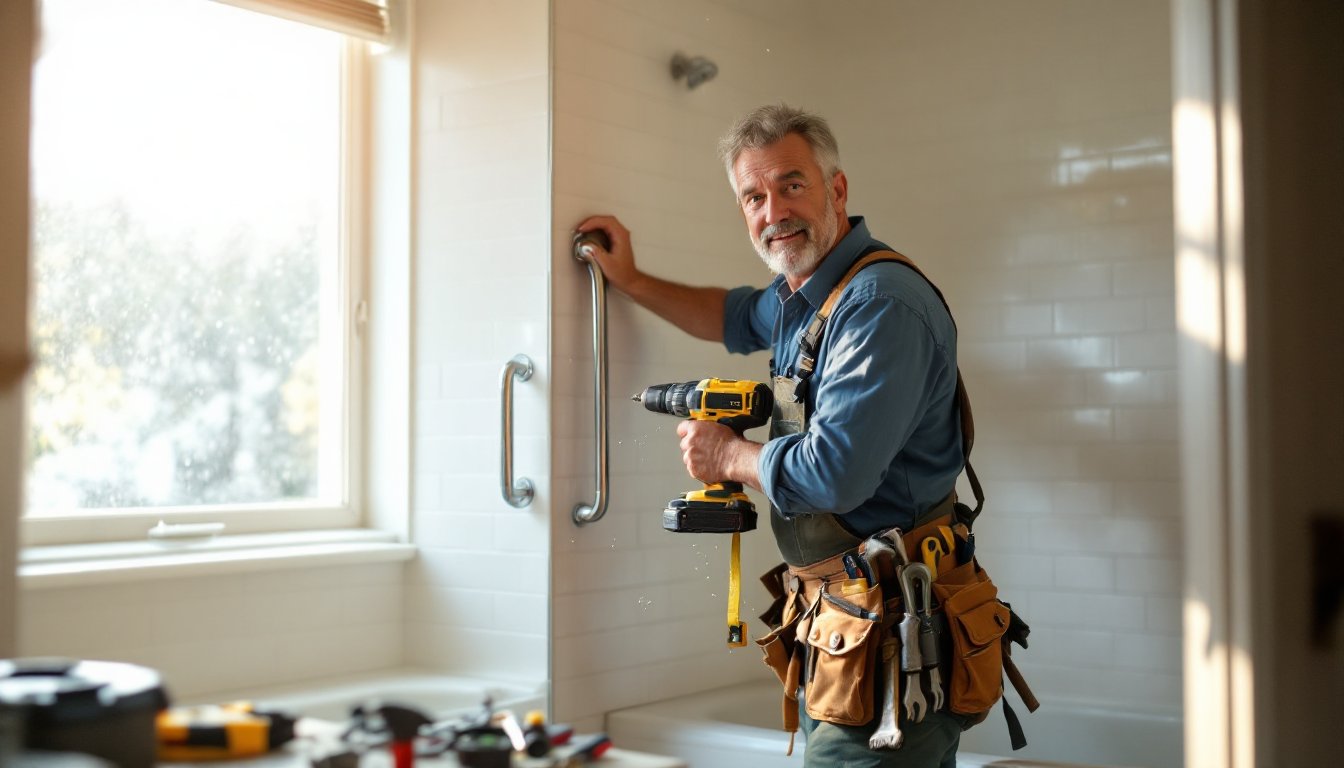

As we age, keeping a home in good working order becomes both more important and more challenging. What once took a weekend afternoon, fixing a leaky faucet, patching drywall, or replacing weatherstripping, can now feel overwhelming or unsafe. That’s where handyman services for seniors come in. Whether you’re dealing with a worn-out roof, loose handrails, or just the everyday wear and tear that houses develop, having access to reliable, affordable handyman support can make the difference between staying comfortably in your home and facing costly emergency repairs. This guide covers everything you need to know about finding, hiring, and budgeting for handyman services tailored to your needs.
Table of Contents
ToggleKey Takeaways
- Handyman services for seniors are essential for preventing fall hazards and home safety issues that become more critical with age and reduced mobility.
- Professional handyman services enable aging homeowners to maintain independence by staying safely in their own homes while avoiding risky DIY repairs and climbing.
- When hiring a handyman, prioritize word-of-mouth referrals, verify liability insurance and background checks, request written quotes, and call at least two references before committing.
- Labor rates for handyman services typically range from $50–$150+ per hour (2026), with most charging a $75–$150 minimum service call fee; get multiple quotes for larger projects.
- Regular preventive maintenance, such as seasonal gutter cleaning and caulking, costs significantly less than emergency repairs and should be budgeted at $500–$1,000 annually.
- Focus handyman priorities on safety and accessibility modifications first—like grab bars, non-slip treads, and improved lighting—before cosmetic upgrades like painting or hardware changes.
Why Seniors Need Reliable Handyman Services
Home maintenance isn’t optional, it’s the foundation of safe, comfortable living. For seniors, the stakes are even higher. A broken step, poor lighting, or slippery bathroom flooring isn’t just an inconvenience: it’s a fall hazard. At the same time, many aging homeowners face physical limitations that make climbing ladders, lifting heavy materials, or spending hours on their feet impossible or risky.
Handyman services bridge that gap. A qualified handyman can tackle jobs that keep your home safe, functional, and in good repair without putting you at risk. Beyond safety, there’s a practical benefit: regular maintenance prevents small problems from becoming expensive disasters. A leaky window flashing caught early costs far less than water damage discovered months later inside your walls.
Handyman support is also about independence. Staying in your own home, a place filled with memories and familiar rhythms, matters deeply to most people. Reliable handyman services make that possible by handling the physical work you can’t do safely yourself.
Types of Handyman Services Seniors Should Know About
Safety and Accessibility Modifications
These projects directly affect your ability to move safely through your home. Grab bars in bathrooms prevent slips: they should be mounted into studs (the vertical framing members behind drywall) using heavy-duty bolts, not just drywall anchors. A handyman will locate studs, drill pilot holes, and install bars at the right height and angle.
Stairway modifications, non-slip treads, handrails, or improved lighting, reduce fall risk on one of the most dangerous areas in any home. Threshold ramps, doorway widening, and accessible kitchen adjustments also fall here. If you use a walker or wheelchair, a professional handyman understands what “accessible” actually means in terms of clearance and slope.
Entryway lighting and outdoor stairs are equally critical. Poor visibility causes falls: weak railings fail to catch you. These aren’t cosmetic upgrades, they’re safety systems.
General Home Repairs and Maintenance
Routine repairs keep your home livable and prevent decay. Leaky faucets, running toilets, and dripping pipes waste water and lead to damage if ignored. Caulking around tubs and showers stops water from seeping into walls. Weather stripping and caulk around windows reduce drafts and lower heating bills.
Interior work includes patching drywall, painting, fixing squeaky floors, and replacing cabinet hardware. Exterior work covers roof leaks, gutter cleaning, siding repair, and deck maintenance, jobs that are genuinely dangerous to do yourself if you’re unsteady on a ladder.
Electrical work beyond simple bulb replacement (installing new outlets, rewiring a switch) requires a licensed electrician in most jurisdictions: a handyman can advise when that’s needed. Plumbing also has limits, major drain lines or water main issues need a licensed plumber, but a handyman can handle supply line leaks or faucet swaps.
According to resources like HomeAdvisor, proper scheduling of seasonal maintenance, like cleaning gutters before winter or caulking before heavy rains, prevents costly repairs down the line.
How to Find and Hire a Trustworthy Handyman
Start by asking for referrals from trusted sources: neighbors, family, your doctor’s office, or senior centers often have lists of vetted local handymen. Word-of-mouth matters enormously, someone who was reliable for your friend is more likely to be reliable for you.
When you’re searching online, look at reviews on platforms that verify customers. Angi and similar services let homeowners rate and review contractors, and they often display badges for background checks or insurance verification. Read recent reviews, not just the top-rated ones, to get a realistic picture.
Always ask for references and call them. A legitimate handyman will have no problem giving you names of recent clients. Call at least two and ask: Was he reliable? Did he show up on time? Did the work hold up? Did he charge what he quoted?
Verify that your handyman carries liability insurance and workers’ compensation if they’ll have employees on your property. This protects you if someone is injured. Get everything in writing: the scope of work, timeline, materials, labor costs, and payment terms. Never pay the full amount upfront: a standard arrangement is 50% down and the balance upon completion.
Trust your instincts. If a handyman pressures you to decide immediately, avoids putting quotes in writing, or seems dismissive of safety concerns, keep looking. Taking time to hire the right person pays off in peace of mind and quality work.
Cost Considerations and Budget Planning
Handyman costs vary widely based on location, project complexity, materials, and the handyman’s experience. In 2026, labor rates typically range from $50 to $150+ per hour, with many handymen charging a minimum service call fee (often $75–$150) to cover travel and setup.
Simple tasks like installing a towel bar, replacing a faucet aerator, or caulking a window might be bundled into a flat rate or a short service call. More involved jobs, replacing a bathroom vanity, repairing rotten deck boards, or refinishing flooring, are quoted per project.
Budget planning means knowing your priorities. If safety is the concern, accessibility modifications and hazard fixes come first. Cosmetic updates (painting, hardware swaps) can wait. Get multiple quotes for larger projects: most handymen provide free estimates.
Materials add to the total cost. A quality deck repair might require pressure-treated lumber (2×6 joists, typically $8–$15 per 8-foot board), galvanized fasteners, and sealant. Your handyman should break out material costs separately so you understand what you’re paying for.
According to Bob Vila, many homeowners find that preventive maintenance costs far less than emergency repairs. Setting aside a small annual budget, even $500–$1,000, for seasonal maintenance reduces the risk of surprise, expensive failures.
Finally, ask about package deals. Some handymen offer discounts if you combine multiple small projects into one visit, since travel time is consolidated.
Conclusion
Hiring a handyman isn’t a luxury for seniors, it’s a practical investment in safety, comfort, and staying independent at home. Start with trusted referrals, verify credentials and insurance, get written quotes, and communicate clearly about what you need and why. The right handyman becomes a reliable partner in keeping your home safe and functional for years to come.