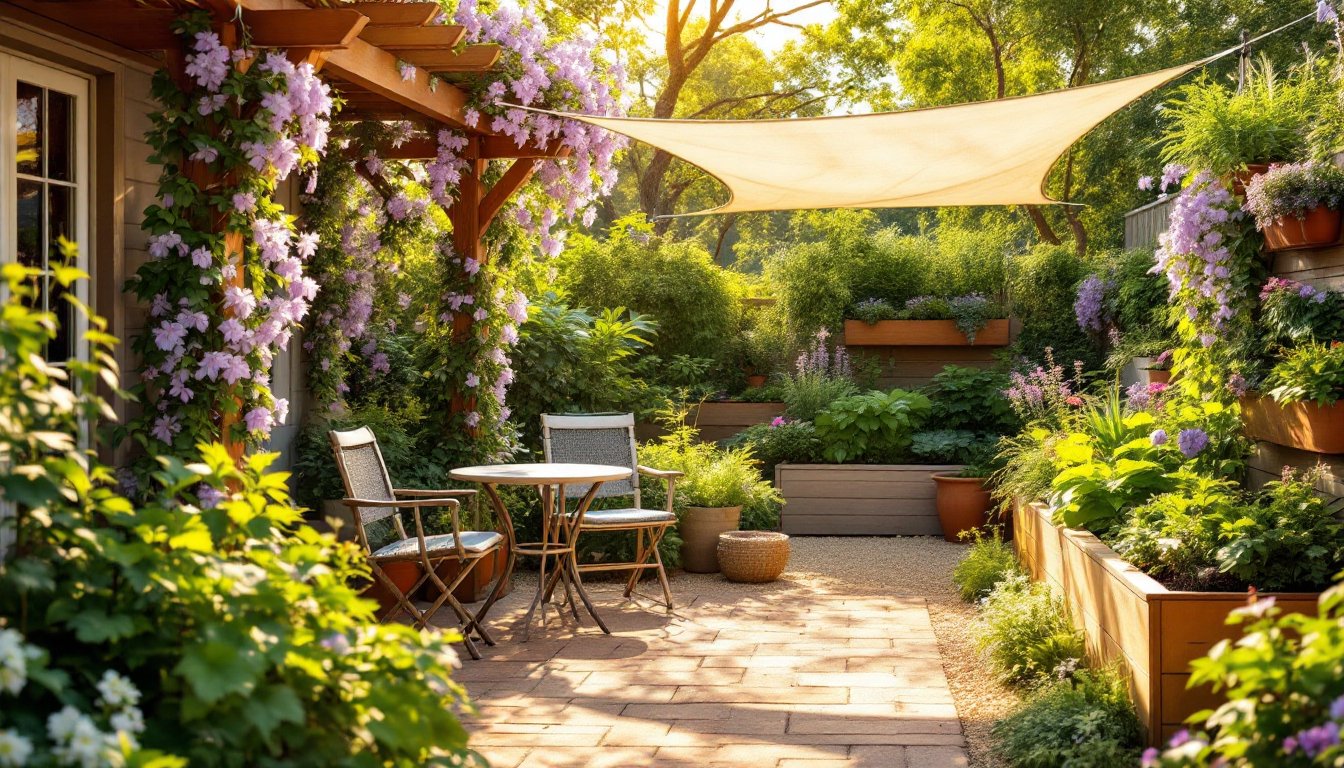

Spring is the perfect time to breathe new life into your outdoor spaces. Whether you’re working with a sprawling backyard or a modest balcony, patio garden ideas offer practical ways to add greenery, functionality, and visual appeal to your home. This guide walks through seven approaches, from container gardens to hardscaping, that work for different space constraints, skill levels, and growing conditions. Each idea includes real-world considerations so you can choose what fits your situation, not just what looks good in a photo.
Table of Contents
ToggleKey Takeaways
- Container gardens offer flexible, low-maintenance patio garden ideas that require only 12-inch-deep pots with drainage holes and quality potting mix for vegetables and ornamentals.
- Vertical gardening maximizes small spaces by using wall-mounted planters, trellises, and tiered shelving to improve sunlight exposure and reduce disease pressure on plants.
- Raised beds provide excellent control over soil quality and drainage while delivering high productivity—a single 4×8 bed can yield 80+ pounds of vegetables in one season with proper succession planting.
- Shade-tolerant plants like hostas, ferns, and coleus thrive in 2–4 hours of indirect light and pair beautifully with comfortable seating to create an inviting outdoor retreat.
- Hardscaping elements such as gravel paths, edging, and pavers create structure, reduce maintenance, and frame plantings to make your patio look intentional and curated.
- Start with one or two containers or a single raised bed, then expand as you learn what grows and what you’ll maintain, ensuring your patio garden effort is sustainable long-term.
Container Gardens For Maximum Flexibility
Container gardening is the easiest entry point for patio growing. You control the soil, drainage, and placement, no digging or landscape redesign required. Start with containers at least 12 inches deep for most vegetables and ornamentals: herbs and succulents can get by with 8 inches. Ensure every pot has drainage holes (not optional). Use quality potting mix, not garden soil, which compacts and retains too much moisture in confined spaces.
The real advantage? You can move containers to chase sunlight or rearrange them seasonally. A tomato plant in a 20-gallon container will outperform one in the ground if you can position it in full sun and rotate it occasionally. Pair tall containers (16–24 inches) with shorter ones to create visual interest. Water more frequently than in-ground beds, container soil dries faster, especially in heat or wind.
Cost-wise, you’re looking at $8–$40 per quality container depending on size and material. Terracotta is classic but heavy and porous: plastic and resin are lighter and hold moisture better. Ceramic looks polished but chips easily. Mix and match to match your style without overcommitting budget. A 5-gallon bucket with drainage holes added works fine for herbs.
Vertical Garden Solutions For Small Spaces
Vertical gardening transforms cramped patios into lush growing zones. Think walls, fences, trellises, and tiered structures instead of sprawling ground-level beds. This approach maximizes sunlight exposure and improves air circulation, reducing disease pressure on plants.
Wall-Mounted Planters and Trellises
Wall-mounted planters come in modular panels, pocket systems, and living wall kits. A fabric pocket planter ($30–$80) holds 6–12 plants per panel: screw it directly to a fence or stucco wall using appropriate anchors. For wood structures, use 3-inch deck screws into studs. Test the weight, a saturated pocket planter can weigh 30–50 pounds per panel, so ensure your mounting surface handles it.
Trellises guide climbing plants vertically and add architectural interest. A 4×8 ft wood trellis costs $40–$120 depending on slat spacing and wood quality. Mount it securely to withstand wind and plant weight. Clematis, climbing roses, and pole beans thrive on trellises. Space plants 12–18 inches apart and tie them loosely to the structure using plant tape or jute, avoid tight knots that cut stems.
Alternatively, build a tiered shelving unit (3–4 tiers, 2 feet wide) from untreated wood or metal. Stack containers from tall in back to short in front so light reaches every plant. This works beautifully for herbs, small vegetables, or ornamentals.
Raised Beds and Edible Gardens
Raised beds give you control over soil quality and drainage while elevating plants for easier access and a cleaner aesthetic. A typical raised bed is 4 feet wide, 8 feet long, and 12 inches deep, enough to grow vegetables and root crops. Build one from untreated cedar (rot-resistant) or composite material: avoid pressure-treated wood for edibles as it may leach toxins (code guidelines vary, so check local regulations).
A simple 4×8×12 cedar bed costs $80–$150 in materials and takes 45 minutes to assemble with a drill and screws. No permits needed for cosmetic beds, but verify with your local building department if you’re adding multiple structures. Fill it with a mix: 40% topsoil, 40% compost, 20% coarse sand or perlite for drainage.
Raised beds warm faster in spring and dry out quicker, so plan irrigation carefully. A soaker hose on a timer ($30–$60) keeps plants hydrated without daily hand-watering. Install it before topping with mulch. Productivity is high, a single 4×8 bed can yield 80+ pounds of vegetables in a season if you succession-plant and choose high-yield crops like tomatoes, lettuce, and zucchini. Start with 2–3 beds if space allows: they’re easier to manage than a single sprawling garden.
Shade-Loving Plants and Seating Areas
Not every patio is sunny all day. Shade-tolerant plants like hostas, ferns, coleus, and astilbe thrive in 2–4 hours of indirect light and actually prefer it in hot climates. Pair shade plantings with comfortable seating, a bench or pair of chairs, to create an inviting retreat.
Consider a shade structure if your patio lacks natural shade. A wooden pergola ($300–$800 DIY: $2,000+ installed) provides filtered light while supporting climbing vines. A simpler option: a patio umbrella ($60–$200) or shade sail ($100–$300) that you anchor to the patio or nearby posts. Both are temporary and adjustable.
For seating, outdoor benches in composite material hold up better than wood in wet climates and require less maintenance. Position seating to view your plantings, the garden becomes part of your outdoor living space, not just something to look past. A small café table (24–30 inches round) plus two chairs fits nicely in 8×8 feet and costs $150–$400. Add a few potted shade plants nearby (hostas, ferns, flowering shade-tolerant begonias) for softness without overcrowding. Recent home design trends focus on creating functional outdoor living areas that blend planting and seating seamlessly.
Hardscaping and Landscape Design Basics
Hardscaping, pathways, edging, gravel, pavers, creates structure and reduces maintenance while framing your plantings. A simple gravel path ($1–$3 per square foot) visually separates planting zones and makes the space feel intentional. Use landscape fabric underneath to minimize weeds, then top with 2–3 inches of angular gravel or crushed stone. Rounded pea gravel looks softer but doesn’t lock in place as well.
Edging separates beds from hardscape and looks polished. Metal or composite edging ($10–$30 per 10-foot roll) is low-maintenance: wood edging ($5–$15 per 10-foot roll) adds warmth but needs replacing every 5–10 years. Install edging before filling beds to avoid adjusting it later.
For a patio redesign, comprehensive design guides for decks and patios walk through material choices and layout principles. Pavers (individual stone tiles) create a finished aesthetic: interlocking systems cost $5–$15 per square foot installed DIY, or $12–$25 per square foot if hired. Concrete poured pads are cheaper ($3–$8 per square foot) but crack over time and offer less visual interest.
Planting design matters as much as hardscape. Group containers by height and color: stagger raised beds at varying elevations: use vertical space to frame views. Keep paths clear and use repeated plant types to create rhythm. The goal: your patio should feel curated, not cluttered.
Conclusion
Patio garden projects range from an afternoon of arranging containers to multi-weekend construction. Start small, one or two containers, a single raised bed, or a corner seating nook, and expand as you learn what grows and what you’ll actually use and maintain. Spring is ideal for planting since soil is workable and rain is reliable. Prep surfaces (clear weeds, level ground, add soil amendments), water consistently during establishment, and don’t skip finishing touches like edging and mulch. Your patio garden will reward effort with fresh air, growing things to tend, and a space that genuinely invites you outside.