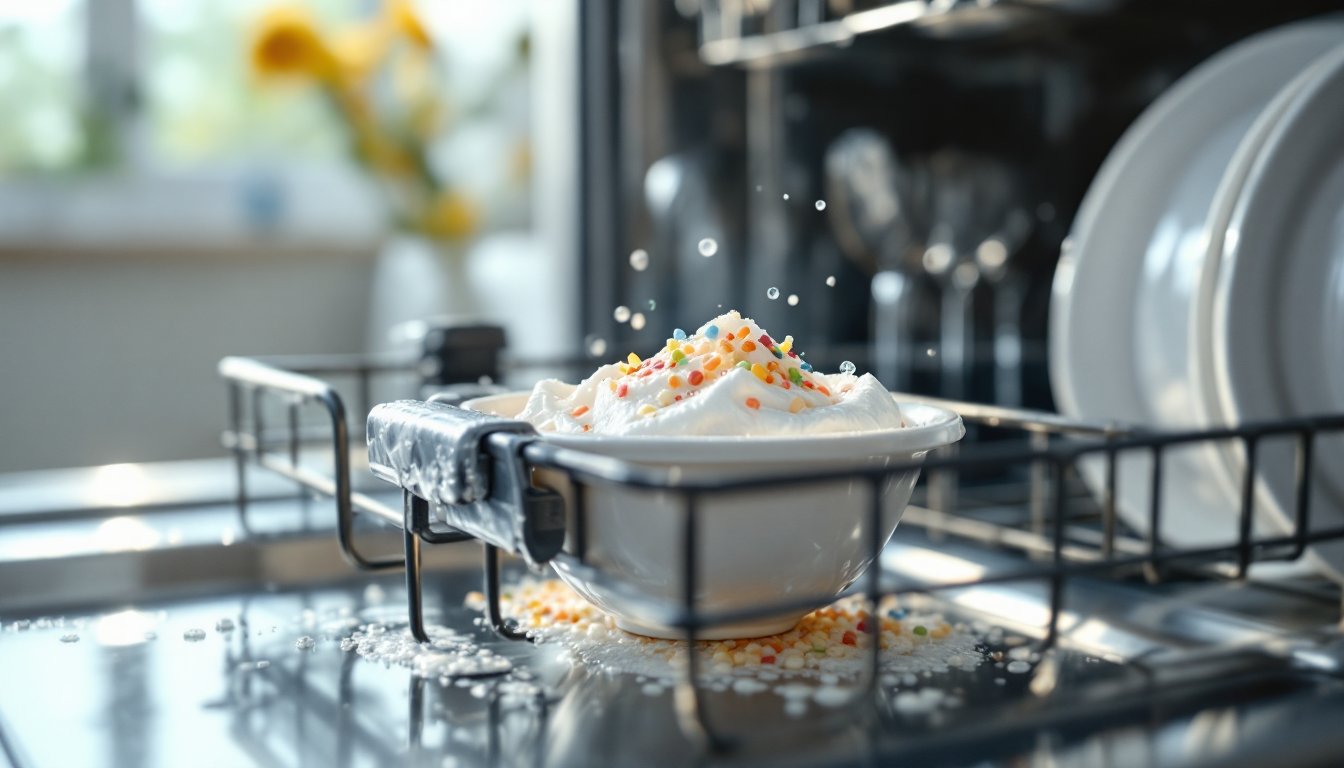

Finding dishwasher pods not dissolving is one of those aggravating kitchen problems that catches people off guard. You load the machine, toss in a pod, and expect clean dishes, but instead you’re left with a waxy residue coating your glassware or a stub of undissolved detergent sitting in the bottom. Whether you’re dealing with dishwasher tablets not dissolving, dishwasher detergent not dissolving, or wondering “why are my dishwasher pods not dissolving,” the culprit usually isn’t the product itself. Most of the time, it’s a simple mechanical or environmental issue you can diagnose and fix without calling a repair tech. This guide walks you through the most common reasons your pods fail to dissolve and gives you practical fixes you can try today.
Table of Contents
ToggleKey Takeaways
- Dishwasher pods fail to dissolve primarily due to low water temperature, a stuck dispenser, or poor loading—all fixable issues that don’t require professional repair in most cases.
- Water heater temperature should be set to 120–140°F (49–60°C) for optimal pod dissolution; test your kitchen tap water with a thermometer and adjust your heater if it reads below 115°F.
- Clean the detergent dispenser with white vinegar and an old toothbrush to remove mineral buildup and food debris that can jam the spring-loaded door mechanism.
- Place dishwasher pods in the main wash cup rather than the pre-rinse cup, and avoid overloading the bottom rack to ensure proper water circulation around the pod.
- Run a monthly descaling cycle with vinegar if you have hard water, and consider switching to a premium pod brand like Cascade or Finish if budget options dissolve too slowly.
- If repairs exceed 40–50% of a new unit’s cost or your dishwasher is over 8–10 years old, replacement is often more economical than fixing heating element or dispenser failures.
Common Reasons Dishwasher Pods Fail to Dissolve
When a dishwasher pod doesn’t dissolve, the problem usually falls into a few predictable categories. The most common are water temperature issues, a stuck or misaligned detergent dispenser, and loading problems that prevent water circulation. Some older machines or those with mineral buildup can struggle to reach the temperature needed to break down the pod coating. Others might have a mechanical issue with the dispenser door itself, which should pop open mid-cycle to release the detergent at the right time.
Water Temperature Issues
Dishwasher pods rely on hot water to dissolve the outer coating and release the detergent inside. Most pods are formulated to work best with water around 120–140°F (49–60°C). If your incoming water temperature is below that, common in homes with water heaters set lower for safety or energy savings, the pod may not dissolve fully or fast enough.
You can check your water heater temperature by running hot water from a kitchen tap and measuring it with an instant-read thermometer. If it’s sitting at 115°F or lower, your dishwasher likely isn’t getting hot enough. This is especially true in winter or if you live in an area with slow water heating.
Another temperature culprit is a failing heating element inside the dishwasher itself. Many modern machines have a built-in heater that boosts the temperature during the wash cycle. If that element is burned out or failing, the water won’t reach the required temperature, and why is your dishwasher pod not dissolving becomes obvious.
Detergent Dispenser Problems
The dispenser door is a spring-loaded mechanism that should pop open at a set point in the wash cycle, usually during the main wash phase. If that door doesn’t open, or opens at the wrong time, the pod stays trapped and never gets exposed to the full force of the wash water.
Detergent dispenser failures happen for a few reasons. The spring can weaken over time. Food or mineral buildup can jam the door shut. Sometimes the latch itself gets bent or worn, preventing the door from latching or unlatching properly. You’ll notice this if you see an undissolved pod sitting in the dispenser after the cycle ends, rather than residue scattered throughout the tub.
Try opening the dispenser door by hand and checking if it moves freely. It should spring back with a little resistance. If it feels stuck, gummy, or won’t stay closed, you’ve found your culprit.
How to Fix Your Dishwasher’s Dissolving Problem
Start with the easiest fixes first, then work toward more involved troubleshooting.
Step 1: Run a hot water test. Before the next load, run the hot water in your kitchen sink for a minute or two until it reaches its hottest point. Measure it with a thermometer. If it’s below 115°F, raise your water heater temperature by 5–10 degrees (most units have an adjustable dial or digital control). Aim for 120°F at the tap. This alone solves the problem for many homeowners.
Step 2: Check and clean the dispenser. Open the dispenser door by pressing the latch. Look for mineral deposits, dried detergent, or debris. Use an old toothbrush and white vinegar to scrub away buildup. Run vinegar through an empty cycle to descale the machine if you live in a hard water area. Mineral accumulation is a sneaky culprit that often goes unnoticed.
Step 3: Inspect the dispenser spring. If the door won’t stay closed or feels too loose, the spring may need replacement. This is a $15–$50 part available for most brands. Consult your dishwasher’s manual or search online for the specific part number for your model.
Step 4: Load dishes correctly. Avoid overloading the bottom rack or placing large items directly in front of the dispenser. Water must flow freely around the pod for it to dissolve evenly. Avoid these mistakes when loading your dishwasher to ensure proper water circulation.
Step 5: Test the heating element. If the water temperature is correct but pods still don’t dissolve, the heating element may be failing. This typically requires a technician, as it involves draining and partially disassembling the machine.
Simple Solutions You Can Try Today
Here are quick wins that fix the problem in many cases:
• Use loose powder detergent temporarily. If you need clean dishes tonight, switch to a powder or liquid detergent. It dissolves faster and doesn’t rely on a dispenser mechanism. This buys you time while you fix the underlying issue.
• Run an empty hot cycle with vinegar. Fill a cup with white vinegar, place it in the bottom of the empty tub, and run a full hot cycle. This clears mineral deposits that slow water heating and pod dissolution. Repeat monthly if you have hard water.
• Adjust your water heater manually. Most electric water heaters have a dial underneath the access panel. Most gas heaters have a dial on the tank itself. Turn it up slightly and retest after 24 hours. Document the change so you know where you started.
• Try a different pod brand. Some formulations dissolve slower than others, especially if your water is hard or cool. Budget pods sometimes use a thicker coating. Premium brands like Cascade or Finish often dissolve more reliably. If you switch, you’ll know within two or three cycles.
• Place the pod in the main wash cup, not the pre-rinse. If your machine has a separate pre-rinse cup (smaller, exterior cup), skip it. The pod dissolves better in the larger main wash cup where water flow is stronger. Some older machines don’t have a pre-rinse cup, so this won’t apply to your model.
When to Call a Professional or Replace Your Dishwasher
If you’ve tried the fixes above and dishwasher detergent is still not dissolving, a professional repair might be worthwhile, but only if the machine is relatively new or high-end.
A heating element replacement typically costs $200–$350 in parts and labor. A dispenser latch or spring runs $150–$250. Both require opening the machine and some mechanical skill. If your dishwasher is older than 10 years, these costs approach or exceed the price of a basic new unit.
Consider replacement if:
- The machine is over 8–10 years old
- Multiple components are failing (heating element and dispenser, for example)
- Water leaks are present alongside the dissolving issue
- The cost of repair exceeds 40–50% of a replacement model
Modern dishwashers are more energy and water efficient than older ones, and many have better sensors for temperature and cycle timing. You may also find that kitchen organization and appliance efficiency matter more as your needs change.
If you do repair, hire a licensed appliance technician who can diagnose heating element problems with a multimeter and verify the dispenser mechanism is functioning. This isn’t a DIY repair unless you’re very experienced with appliance internals.
Conclusion
Most dishwasher pod dissolving issues come down to water temperature, a stuck dispenser, or loading problems, all fixable without professional help. Start by checking your water heater temperature and cleaning the dispenser door. If those don’t work, try a descaling cycle and adjust how you load the machine. The problem usually clears within a few tries. For home improvement and DIY solutions, a functioning dishwasher is often just one small adjustment away from working perfectly again.