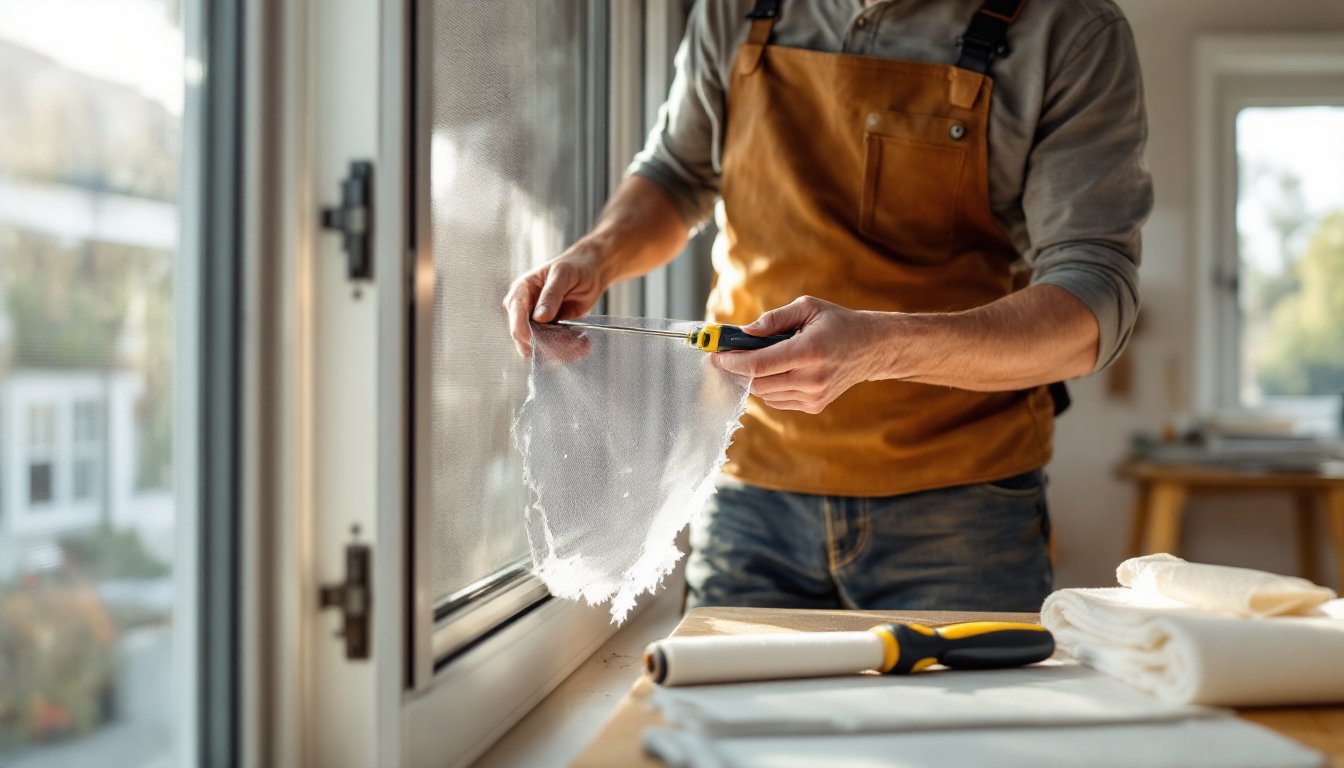

Torn window screens, tangled mesh, and frames that won’t stay put, they’re usually on the homeowner’s repair list, sitting somewhere between “low priority” and “never getting around to it.” But a damaged screen isn’t just an eyesore: it’s an open invitation to insects and compromises ventilation. Whether you need a quick fix or a full replacement, understanding your options makes the difference between a frustrating search and a solved problem. This guide walks you through why screens fail, where to find local professionals, and how to handle the job yourself if you’re ready to save money and time.
Table of Contents
ToggleKey Takeaways
- Damaged window screens invite insects and reduce ventilation, making timely replacement essential to protect your home from pests and maintain airflow.
- When searching for window screen replacement near me, compare multiple local providers on platforms like Google, Angie’s List, and Facebook groups to find experienced technicians with strong reviews and transparent pricing.
- Experienced screen replacement professionals can assess frame damage, recommend appropriate materials, and typically offer warranties of at least one year, protecting your investment.
- DIY window screen replacement costs just $15–$30 in materials versus $75–$150 for professional installation, making it a cost-effective option if you have basic tools and patience with detail work.
- Proper tension during spline installation is critical to prevent frame warping or mesh sagging; most homeowners benefit from watching tutorials before attempting the project themselves.
Why Your Window Screens Need Replacement
Window screens wear out for predictable reasons, and knowing what to watch for helps you catch damage before it becomes a full-blown problem. The mesh itself, usually made of fiberglass or aluminum, degrades over time from UV exposure, temperature swings, and weather. A small hole or two is annoying but manageable: a section larger than your thumb demands replacement.
The frame is equally vulnerable. Standard aluminum frames get bent from accidental bumps, pressure washing, or someone forcing the screen into the track too aggressively. Wood-frame screens, though less common in newer homes, rot when exposed to moisture without proper sealing. The spline, that rubber cord holding the mesh in the groove, hardens and cracks, letting the screen separate from the frame.
Rust and corrosion sneak up on metal components, especially in coastal regions or areas with heavy salt exposure. If you see orange or white deposits on the frame, moisture is winning. Most screens last 15–20 years with minimal maintenance, but storm season, pets, and neglected cleaning accelerate failure. Catching these issues early means you can often replace just the mesh and spline, a task far cheaper than a full frame replacement.
Finding Quality Screen Replacement Services Locally
How to Search for Nearby Providers
Your first instinct might be to search “window screen replacement near me” on Google, and that’s a solid start. Local results typically show general contractors, handymen, and screen-specialty shops within your area. Check their service radius, some work only within certain neighborhoods, and you’ll save time ruling them out early.
Platforms like Angie’s List connect you with reviewed professionals who specialize in window service, complete with customer ratings and past project photos. This matters because an installer who’s handled dozens of screens knows the quirks of different frame styles and materials. You can also browse local Facebook groups for home improvement or neighborhood recommendations: real homeowners give honest feedback about speed, pricing, and quality.
Don’t skip calling multiple providers. A quick phone conversation reveals whether they’re organized, responsive, and willing to discuss your specific situation. Ask if they offer free estimates and how quickly they can schedule. Some shops work on a per-screen basis: others charge hourly or by the job. Clarifying pricing upfront saves awkward surprises later.
What to Look For in a Service Provider
Experience matters more than you’d think. A technician who’s replaced hundreds of screens can assess a frame quickly, know what materials fit, and spot underlying issues, like a warped sash that might cause future screens to fail. Ask how long they’ve been in business and whether they handle both standard and custom-size screens.
Insurance and licensing vary by state and local jurisdiction, but reputable providers carry liability coverage. This protects you if they damage your window frame or siding during the job. Request references from recent projects: a legit shop won’t hesitate to provide them. Check online reviews carefully, look for patterns, not just one great or bad review. A provider with consistent 4- to 5-star ratings and positive comments about punctuality and cleanliness is usually reliable.
Turnaround time is practical but secondary to quality. A shop that promises same-day replacement might cut corners on mesh alignment or spline seating. Ask about warranties, too. Most reputable installers back their work for at least a year, guaranteeing that seams won’t separate and mesh won’t tear prematurely under normal use. Transparency about materials, what grade of mesh, spline type, and frame material they use, tells you whether they’re cutting costs in ways that matter.
DIY Window Screen Replacement: A Cost-Effective Alternative
If you’re handy with basic tools and patient with detail work, replacing a screen yourself cuts the cost dramatically, sometimes from $75–$150 per screen down to $15–$30 in materials. The challenge isn’t the process itself: it’s getting the mesh seated tightly and evenly without wrinkles or slack.
Start with materials: replacement spline (the rubber cord), mesh (fiberglass or aluminum), and a spline roller tool (a small, cheap gadget that presses spline into the frame groove). Home Depot and Lowe’s stock standard sizes: if your frame is non-standard, you’ll need to measure the groove width and order accordingly. Clear your work surface, a table in the garage works fine, and lay the frame flat. This prevents mesh from slipping during installation.
Remove the old spline with a flathead screwdriver, working carefully to avoid gouging the groove. Pull out the damaged mesh. Lay a new screen over the frame, leaving an inch of overhang on all sides. Press the spline into the groove using firm, consistent pressure with the roller tool, working one side at a time. Start on a long edge, then do the opposite long edge, then the short sides. This distributes tension evenly. Once the spline is seated, trim excess mesh with a utility knife, holding the blade at a shallow angle for a clean edge.
The trickiest part is tension balance, too tight, and you’ll warp the frame: too loose, and the mesh sags and wrinkles. A few practice frames help. YouTube videos showing the spline-rolling technique are worth watching before you start. Resources like HomeAdvisor’s repair guides and ImproveNet’s cost calculators offer step-by-step visuals that clarify the process.
For wood-frame screens, the process is identical, but check for rot in the wood first. Small soft spots can be sanded and sealed: extensive rot means replacement, not repair. Safety-wise, wear cut-resistant gloves and safety glasses: the spline roller and sharp mesh edges are unforgiving. If you’re replacing more than three or four screens, the time investment might not justify the savings, depending on your hourly rate and patience threshold.
Conclusion
Whether you hire a local professional or tackle the job yourself, addressing damaged window screens now prevents pest infiltration and airflow problems down the road. Searching for services locally gives you control over quality and timing: learning the DIY method builds a skill you’ll use for years. Most homeowners find a hybrid approach works best: hire professionals for large or complex jobs, and handle straightforward mesh replacements at home. Either way, a functioning screen is one less thing on the fix-it list.