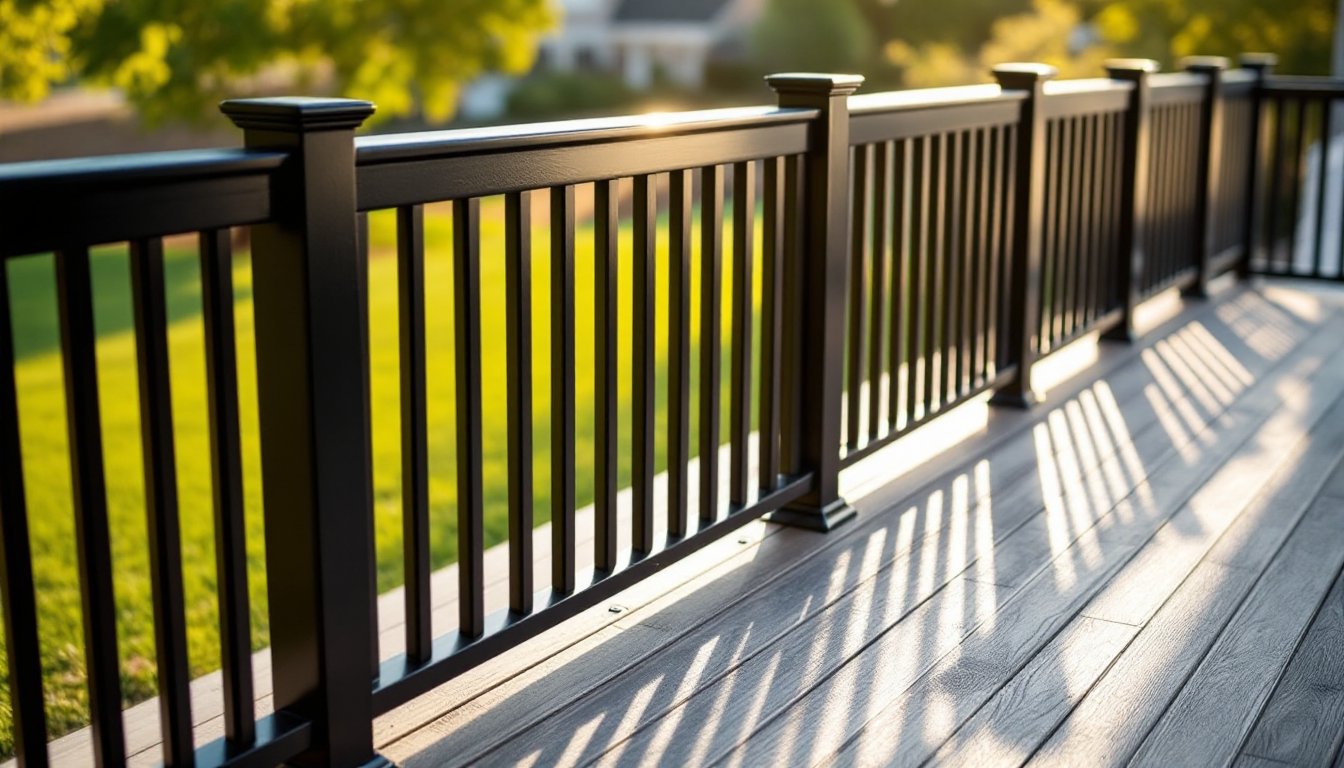

If you’re planning a deck project or renovating an existing one, you’ve probably asked yourself: what’s the best railing material? Aluminum deck railings have become a go-to choice for homeowners who want something that won’t rot, splinter, or demand constant maintenance. Unlike wood, which requires regular staining and sealing, or vinyl, which can become brittle in extreme cold, aluminum strikes a practical balance. It’s strong enough to meet building codes, lightweight enough to install without excessive help, and available in finishes that look nothing like “metal tube from a factory.” Whether you’re building from scratch or replacing an old railing, understanding your aluminum options will help you make a choice you won’t regret in five years.
Table of Contents
ToggleKey Takeaways
- Aluminum deck railings require virtually no maintenance—just twice-yearly washing with mild soap and water, making them far superior to wood railings that demand regular staining, sealing, and seasonal upkeep.
- Unlike wood, vinyl, or composite materials, aluminum deck railing systems won’t rot, warp, splinter, or become brittle in extreme temperatures, providing exceptional durability across most residential climates.
- Modern aluminum railing designs offer extensive customization options including vertical balusters, horizontal cable systems, glass panels, and hybrid materials that combine aluminum with wood or composite capping for aesthetic flexibility.
- Basic aluminum railing installation costs $25–$40 per linear foot for DIY projects, compared to wood ($15–$30) or composite ($35–$50), but aluminum’s zero-maintenance advantage delivers superior long-term value over a 20-year deck lifespan.
- Aluminum railings meet all standard building codes with straightforward compliance, and are lightweight enough for one-person installation, unlike heavier wood or composite systems that require larger crews.
- For complex installations like glass panels or elevated decks, professional installation protects safety and code compliance—a worthwhile investment that prevents costly liability issues.
Why Choose Aluminum for Your Deck Railing
Aluminum railings offer durability that outlasts most residential decking projects. The material doesn’t warp, rot, or splinter, concerns that plague wood railings after a few seasons of UV and moisture exposure. It won’t corrode the way untreated steel does, though coastal environments may require occasional rinsing to prevent salt buildup.
The weight factor matters during installation. A typical aluminum railing section weighs far less than a comparable wood or composite system, which means you can often manage installation with one helper instead of hauling a crew. This isn’t cosmetic, it affects what your deck’s ledger board and posts can handle structurally.
Maintenance sits near zero. No staining, sealing, or power washing cycles. A garden hose and mild soap handle seasonal cleaning. This appeals to homeowners tired of annual deck maintenance rituals. You’re also avoiding the off-gassing concerns some people have with composite materials or the brittleness vinyl exhibits in subfreezing temperatures.
Building codes recognize aluminum as a compliant railing material across most jurisdictions. You’ll still meet standard code requirements, 42 inches high from deck surface to the top rail, balusters spaced no more than 4 inches apart (so a child’s head can’t pass through), but aluminum makes meeting these specs straightforward.
Design and Style Options for Every Home
Aluminum railings come in far more styles than the industrial-looking tube frames from 20 years ago. Contemporary systems offer vertical balusters, horizontal cable, glass panels, and hybrid combinations that blend materials like wood caps with aluminum posts.
Vertical baluster designs mimic traditional wood railing aesthetics while delivering metal durability. You can choose spacing and styles that suit your home’s architecture, thin spindles for a modern look or thicker profiles for something more classic. Powder-coated finishes come in matte black, bronze, white, charcoal, and even wood-grain patterns that fool most observers from a distance.
Horizontal cable systems appeal to homeowners who want unobstructed views. Stainless steel or aluminum cables run between posts, creating a minimalist appearance that doesn’t block your sight line to the yard or landscape beyond. The cables still meet code, they can’t have gaps larger than 4 inches, but the visual impact feels open and contemporary.
Glass panel inserts are another option, especially popular for elevated decks or second-story railings where safety sight lines matter. Tempered glass mounted in aluminum frames prevents falls while keeping your view intact. This approach costs more upfront but creates a premium aesthetic.
Most systems allow you to mix materials. Aluminum posts with composite or wood top rails create a hybrid that gives you aluminum’s durability in structural elements while adding warmth with natural-looking capping. Mixing materials also lets you tie your railing into existing deck framing or home exterior details.
Installation Basics: What Homeowners Should Know
Installation depends on whether your deck is new or you’re retrofitting an existing railing. With a new deck, you’ll anchor aluminum posts to the rim joist or deck boards using lag bolts or structural fasteners specified by the railing manufacturer. Spacing between posts typically runs 4 to 6 feet, check your specific system’s requirements, as longer spans may require additional bracing.
Before you begin, confirm your local building code requirements. Most jurisdictions require railings on decks 30 inches or higher off the ground. Some older homes have deck posts that weren’t designed for railing loads, if your deck is wobbly, that’s a structural issue needing repair before you hang a railing. Contact your local building department: some jurisdictions require permits and inspections for deck railings, especially on elevated decks.
Essential tools include a drill, level, measuring tape, socket wrench, and saw (for cutting balusters if needed). You’ll want safety glasses, work gloves, and hearing protection if cutting aluminum.
The basic steps are straightforward. Measure and mark post locations along your deck perimeter, keeping spacing consistent. Drill holes for bolts, install posts, and check plumb with a level before tightening fasteners fully. Once posts are secure, attach the top and bottom rails, then insert balusters or cable systems according to the manufacturer’s instructions.
If you’re replacing an old wood railing, remove fasteners and the old structure, then inspect the rim joist for rot or damage. Soft spots mean the joist needs repair before you install new hardware. This is where most DIYers find unexpected costs, a compromised rim joist requires sistering in new lumber.
Complex systems (glass panels, tensioned cable) often benefit from professional installation, especially for elevated decks. The liability and code compliance risks climb when you’re working several stories up. Weigh the cost of hiring a deck contractor against the value of knowing your family is safe, it’s not an area where cutting corners pays off.
Maintenance and Care Tips
The maintenance schedule for aluminum railings is blessedly short. Twice yearly, spring and fall, give your railing a quick wash with a garden hose and soft-bristle brush using mild soap. This removes dirt, pollen, and salt spray buildup that can accumulate, especially in coastal regions or high-traffic areas.
For stubborn spots, a mixture of equal parts white vinegar and water works well on powder-coated finishes. Avoid abrasive cleaners, wire brushes, or high-pressure washers (above 1500 PSI), which can damage the coating. Dry the railing with a soft cloth if you live in a very dry climate, in humid areas, air-drying is fine.
Check fasteners annually, particularly after the first year. Thermal expansion and contraction from seasonal temperature swings can loosen bolts over time. A quarter-turn tightening with a wrench once a year keeps everything snug without over-torquing, which can strip threads or crack mounting brackets.
If powder coating does get chipped or scratched, small repairs with matching paint (available from the railing manufacturer) prevent corrosion from spreading. Deep gouges or widespread damage warrant professional recoating, but that’s rare if you’re not dragging heavy tools across the railing.
In harsh climates, salty coastal air, industrial pollution, or heavy road salt exposure, consider an annual rinse without soap to remove accumulation. The coating protects the aluminum itself, but keeping it clean extends the visible life of the finish.
Cost Comparison: Aluminum vs. Other Materials
Price varies widely based on your region, specific design, and whether you install yourself. As of 2026, budget roughly $25 to $40 per linear foot for basic aluminum railing systems if you’re handling installation yourself. Retrofit installations on existing decks run slightly higher because of removal and possible structural repairs.
Wood railings, if you commit to annual staining and sealing, often appear cheaper upfront at $15 to $30 per foot. But, labor for staining every one to three years, plus occasional board replacement, erodes the savings. Over a 20-year deck lifespan, aluminum’s zero-maintenance story wins financially.
Composite railings (wood fibers plus plastic polymer) fall between aluminum and wood in initial cost, typically $35 to $50 per foot, but require periodic cleaning and can crack or fade in extreme UV exposure. Vinyl railings run $30 to $45 per foot and suffer brittleness in subfreezing climates, limiting their appeal in northern regions.
Glass panel inserts and custom designs push aluminum costs higher, expect $50 to $80 per foot for premium systems. Professional installation adds $30 to $60 per foot in labor, depending on complexity and local rates. HomeAdvisor’s project cost estimators can give you ballpark figures for your zip code, though actual quotes from local installers are more reliable.
If budget is tight, basic vertical baluster aluminum systems deliver the best value equation. You get durability, safety compliance, minimal maintenance, and a professional appearance for less than specialty materials. Many homeowners choose aluminum for structural sections (posts, rails) and upgrade with cable or composite accents where budget allows.
Conclusion
Aluminum deck railings solve a genuine problem: how to create safe, code-compliant railings that don’t demand endless maintenance or premium pricing. They’re particularly smart for homeowners tired of seasonal deck upkeep or those in climates where wood fails quickly. Design flexibility means they work with contemporary, traditional, or transitional home styles. If structural work on your deck is needed first, a common surprise, address that before the railing goes up. Start with a site visit to your local building department, confirm code requirements, and get a few quotes from installers if you’re not confident tackling installation yourself. Your future self will thank you when you’re not scraping paint off a wooden railing in July.