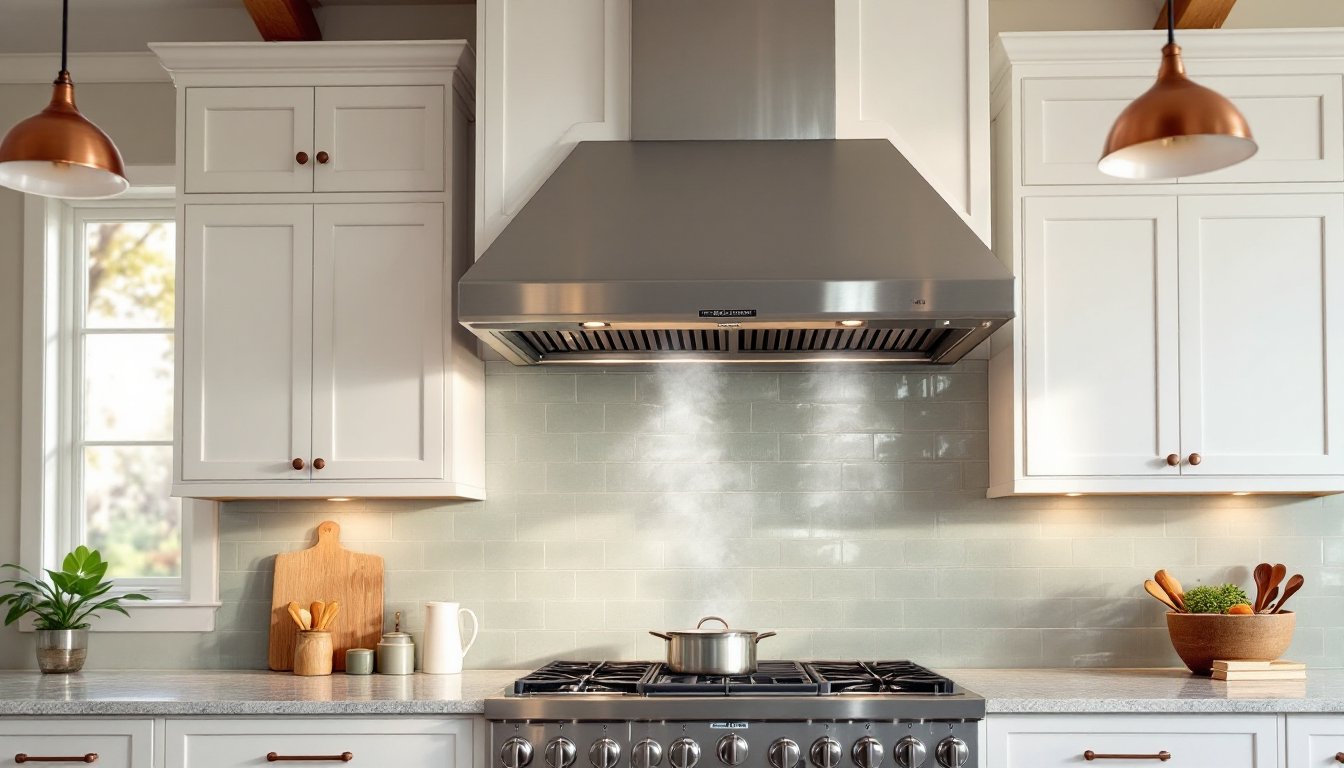

A ducted range hood is one of the most practical upgrades a homeowner can make in the kitchen. If you’ve spent time cooking in a space where grease, steam, and odors linger long after dinner, you know the difference proper ventilation makes. A ducted range hood doesn’t just clear the air, it protects your cabinetry, reduces moisture buildup that can lead to mold, and makes cooking more comfortable. Whether you’re remodeling a kitchen or replacing an aging exhaust system, understanding how a ducted range hood works and what it takes to install and maintain one will help you make an well-informed choice that pays off for years.
Table of Contents
ToggleKey Takeaways
- A ducted range hood vents cooking smoke, steam, and odors directly outside rather than recirculating them, delivering superior air quality and odor control compared to ductless alternatives.
- Proper sizing based on CFM (cubic feet per minute) is critical—multiply your cooktop width in feet by 100 for minimum CFM needed, with gas ranges typically requiring 600–900 CFM for optimal performance.
- Rigid metal ductwork is more efficient than flexible ducting, and keeping runs short with minimal bends preserves airflow and prevents noise issues in your kitchen.
- Grease filters need monthly cleaning if you cook daily to maintain suction and prevent a ducted range hood from working harder and running louder.
- Professional duct cleaning every few years ($200–$400) prevents dangerous grease buildup and fire hazards while extending your hood’s lifespan to 15–20+ years.
- Hire a professional for installation if you’re unsure about complex duct routing—getting it right the first time ensures long-term efficiency and comfort in your kitchen.
What Is a Ducted Range Hood and How Does It Work?
A ducted range hood is a ventilation unit that captures smoke, steam, and cooking odors directly above your stove or cooktop and pushes them outside through ductwork. Unlike ductless models that recirculate air back into the kitchen through filters, a ducted range hood uses a motor and fan to create negative pressure that literally pulls air upward and out of your home.
The basic setup includes a hood canopy (the visible part mounted above the stove), internal fan motor and blower wheel, a damper that prevents outdoor air from flowing backward when the unit is off, and ducting that channels exhaust out through your exterior wall or roof. Most residential ducted range hoods use 4-inch to 6-inch diameter flexible or rigid ducting. The motor runs on 120 or 240 volts depending on the unit’s power requirements, and many models include multiple speed settings or variable controls.
When you turn on a ducted range hood, the fan blade spins rapidly, creating a pressure differential that sucks air up into the hood. That air, along with steam, grease, and odors, gets forced through the damper and out the duct. A properly sized and installed ducted range hood removes cooking byproducts before they settle on walls, cabinets, or your stovetop, keeping your kitchen cleaner and fresher.
Ducted vs. Ductless Range Hoods: Which Is Right for Your Kitchen?
The choice between ducted and ductless range hoods comes down to your home’s layout, budget, and how serious you are about air quality.
A ducted range hood vents directly outside, removing all cooking smoke, steam, and odors from your home entirely. It’s more effective at eliminating odors because exhaust doesn’t recirculate. Ducted models tend to be quieter because they don’t rely on filters to catch grease and particulates. But, they require existing ductwork or the ability to run new ducts through walls or up through the attic, which means planning around framing, joists, and exterior penetrations. Installation can be more involved and costly, especially in retrofit kitchens where running new ducting means cutting through finished walls or the roof deck.
A ductless range hood (also called a recirculating hood) uses charcoal filters to clean air and push it back into the kitchen. These are easier to install since they don’t require exterior venting. They work well in apartments or situations where ducting isn’t feasible. The trade-off: they’re less effective at odor removal, filters need regular replacement (every 6–12 months depending on cooking volume), and they can be louder because fans work harder to pull air through filters.
For most homeowners with the ability to run ducts, a ducted range hood delivers superior performance. You get cleaner air, less filter maintenance, and better long-term odor control. Ductless hoods make sense only when ducting is genuinely impossible or when budget is the only constraint. Consider your kitchen’s ventilation needs and existing infrastructure before deciding.
Key Factors to Consider Before Installing a Ducted Range Hood
Before you purchase and install a ducted range hood, nail down a few critical specs. Getting these wrong means poor ventilation, unnecessary noise, or a unit that won’t fit your space.
Sizing and CFM Requirements
CFM stands for cubic feet per minute, the amount of air the hood can move. It’s the most important performance metric. A general rule: multiply your cooktop’s width (in feet) by 100 to get the minimum CFM you need. A 36-inch gas range (3 feet wide) needs at least 300 CFM: a 48-inch cooktop needs 400 CFM or more.
Gas stoves produce more heat and byproducts than electric cooktops, so they demand higher CFM ratings. If you cook with high-heat methods (wok cooking, searing, deep frying), you’ll want a more powerful hood. For a 36-inch gas range, most manufacturers recommend 600–900 CFM. When comparing models, look up the actual CFM rating on the spec sheet, manufacturers sometimes overstate ventilation capacity, so independent testing or verified ratings matter.
Undersizing a hood means cooking odors and steam won’t clear quickly. Oversizing burns unnecessary energy and creates excessive noise. A recent guide to 36-inch gas ranges emphasizes that pairing the right range with appropriate ventilation is essential for kitchen comfort and longevity.
Duct Routing and Placement Options
How you run the ductwork matters as much as the hood itself. Rigid metal ductwork (typically 4- or 6-inch diameter) is more efficient than flexible ducting because it doesn’t restrict airflow or sag over time. Flexible ducting is easier to install in tight spaces but creates friction that can reduce CFM performance by 10–15% if runs are long or have many bends.
Keep duct runs as short and straight as possible. Every 45-degree elbow reduces efficiency slightly: multiple bends add up. If your kitchen is far from an exterior wall, you may need to run ducts up and through the attic to reach the roof, this requires careful planning around rafters and joists. Make sure the duct exit includes a damper that closes when the hood is off, preventing cold air (or bugs) from entering your kitchen.
For placement, wall-mounted or island-mounted hoods both work, but island installations require running ducts beneath the floor or through the attic, which is more complex. Wall-mounted hoods above or behind the cooktop are usually easier. Kitchen remodeling platforms like This Old House offer detailed guidance on integrating ventilation into renovation plans.
Maintenance Tips to Keep Your Ducted Range Hood Running Efficiently
A ducted range hood requires less maintenance than a ductless model (no filter replacements), but neglect will eventually kill performance and attract grease buildup.
Grease filters (the mesh or baffle filters under the hood canopy) trap cooking grease before it enters the ductwork. These need cleaning every month if you cook daily, or every 2–3 months if you cook occasionally. Most are dishwasher-safe or can be soaked in hot, soapy water: let them soak for 15 minutes, then scrub with a soft brush and rinse thoroughly. A clogged filter severely restricts airflow, making your hood work harder and run louder. Check the filter monthly, if it looks dark or clogged, clean it immediately.
Ductwork inspection should happen at least once a year. Turn on the hood and hold your hand near the exit to feel if air is flowing freely. If the damper sticks or doesn’t open smoothly, it may need lubrication or cleaning. Over time, grease residue can accumulate inside ducts, especially in elbows and at dampers. If you notice reduced suction, have a professional duct cleaning service inspect and clean the interior (this typically costs $200–$400 and prevents fire hazards from grease buildup).
Motor and blower inspection are simple: listen for changes in sound. A grinding noise, squealing, or rattling suggests a bearing issue or loose component inside the unit. If the hood isn’t pulling air as it used to, the motor may be failing or the blower wheel could be clogged with grease. Many issues can be addressed by cleaning the blower wheel (which requires opening the hood unit, consult the manual if you’re not confident doing this yourself).
Damper maintenance is often overlooked. The damper’s job is to close and seal when the hood is off, preventing outdoor air, pests, or cold from entering. If it’s sticky or won’t close, grease residue is usually the culprit. Gently pry it open and clean the hinges and seals with a damp cloth. If it’s damaged or bent, it’ll need replacement.
Seal around the hood penetration where the duct exits your wall or roof. Use caulk or expanding foam to prevent air leaks, which reduce efficiency and waste energy heating or cooling that escaping air. Check this seal annually and reseal if gaps appear.
A well-maintained ducted range hood operates quietly, pulls air effectively, and lasts 15–20 years or more. The appliance guides at kitchen renovation resources like Bob Vila’s kitchen appliance updates often highlight quality hoods paired with proper maintenance practices that keep them performing like new.
Conclusion
Installing and maintaining a ducted range hood is an investment in your kitchen’s air quality, comfort, and longevity. By choosing the right size, planning your ductwork carefully, and committing to routine cleaning, you’ll enjoy a kitchen that stays fresher, cleaner, and more pleasant to cook in. If you’re unsure about installation, especially for complex duct routing, don’t hesitate to hire a professional, it’s worth the cost to get it right the first time.