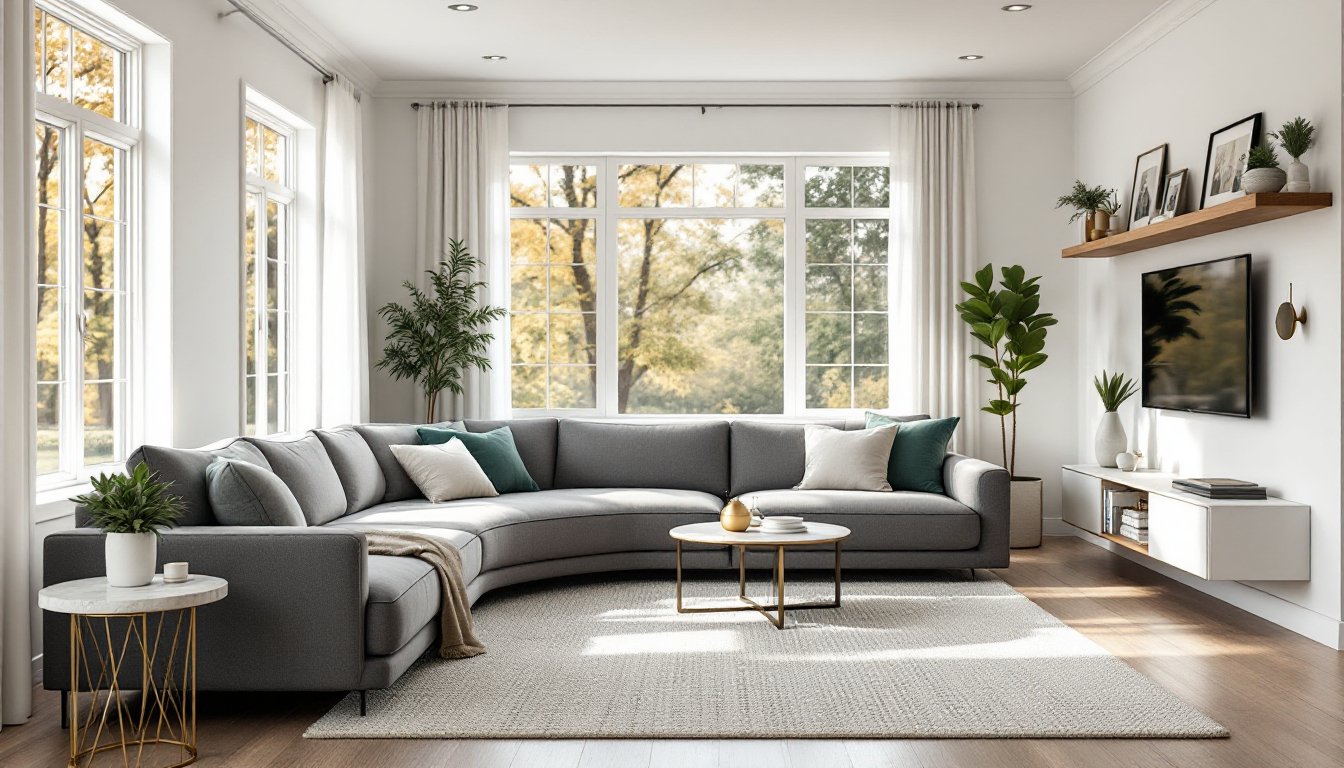

A curved sectional sofa isn’t just another piece of furniture, it’s a design statement that can transform how a room flows and feels. Unlike traditional straight sofas, curved sectionals embrace the shape of your living space, creating intimate seating zones and adding visual interest that draws the eye. Whether you’re furnishing a new home, renovating a room, or simply looking to upgrade your current setup, understanding how to choose, style, and care for a curved sectional will ensure you invest in a piece that works hard for years to come. This guide walks you through everything a homeowner needs to know about curved sectional sofas, from space planning to long-term maintenance.
Table of Contents
ToggleKey Takeaways
- A curved sectional sofa transforms living spaces by adapting to room contours, encouraging conversation, and softening hard architectural angles while working in corners that straight sectionals cannot fit.
- Accurate space measurement is essential—use painter’s tape to outline the sofa footprint, verify doorway widths (especially for multi-piece deliveries), and account for 24–36 inches of walking space around the curved sectional.
- Choose neutral colors like gray, navy, or beige for timeless appeal, and select performance fabrics or textured natural fibers that align with your interior style, whether modern, transitional, or traditional.
- Extend your curved sectional’s lifespan by rotating removable cushions every 2–4 weeks, vacuuming weekly, immediately blotting spills, and applying fabric protectant spray within the first weeks of ownership.
- U-shaped curves maximize seating for larger rooms while gentle arcs (120–140°) offer visual interest without overwhelming medium-sized spaces, allowing you to balance comfort with proportion.
What Makes Curved Sectional Sofas a Design Game-Changer
Curved sectional sofas have become a go-to choice for homeowners and designers because they solve real spatial and aesthetic challenges. Unlike rectangular sectionals that sit flat against walls or dominate open floor plans, curved designs adapt to the natural contours of a room. They create a sense of cohesion and flow, especially in open-concept living areas where furniture placement can feel awkward.
The curved shape also encourages conversation and togetherness, people naturally angle toward the curve rather than sitting in straight lines facing each other. From a design perspective, curved sectionals work well in modern, transitional, and even eclectic interiors. Trending design elements like curved forms in furniture are part of how today’s homes prioritize both form and function. In fact, 2026 interior design trends highlight curved sofas as a key element for defining living spaces with elegance and movement.
One practical advantage often overlooked: a curved sectional can work in corners that a straight sectional cannot, and it fills awkward wall nooks more gracefully. The curved line also softens a room’s geometry, particularly useful in homes with sharp angles or minimalist architecture.
Key Dimensions and Space Planning for Your Room
Before falling in love with a curved sectional, measure your room carefully, this is non-negotiable. Start by marking the exact space where the sofa will sit, accounting for walkways, doorways, and any fixed furniture (TV stands, tables, shelving). Most living rooms benefit from at least 24 to 36 inches of walking space around seating areas.
Curved sectionals vary widely in diameter and depth. A typical curved sectional might span 90 to 160 inches along its longest point, with seat depths between 30 and 40 inches. Measure doorways, stairwells, and hallways, curved pieces are often delivered as multiple sections that need to navigate tight spaces. Always confirm delivery logistics with the manufacturer or retailer.
Consider the room’s scale too. A large curved sectional in a modest bedroom will overwhelm: a small curved loveseat in a sprawling family room may look lost. Proportion matters. Test the space using painter’s tape or kraft paper cut to the sofa’s outline. Walk around it, sit on a temporary chair at the approximate height and depth, and imagine sight lines for viewing a TV or looking out windows. This simple step prevents buyer’s remorse.
Selecting the Right Size, Shape, and Configuration
Curved sectionals come in several common configurations: a tight curve (U-shaped, almost 180°), a gentle arc (closer to 120-140°), or a sweeping curve that follows a wall contour. Each works differently depending on your room and needs.
A U-shaped curve maximizes seating and wrapping comfort but demands a larger footprint, ideal for larger living rooms or family dens where multiple people gather. A gentle arc offers compromise: it adds visual interest without consuming as much floor space, working well in medium-sized living areas. Some manufacturers offer modular curved sections you can mix and match, allowing you to customize the radius and direction.
Measuring Your Space and Accounting for Doorways
Measure twice, measure three times. Use a measuring tape to get the precise distance from the intended sofa placement to the nearest corner, wall, and doorway opening. If your curved sectional ships as separate pieces, ensure each component can physically pass through your entry, hallway, and living room doorway. A 40-inch doorway is standard: many curved sofas in pieces of 35 to 38 inches width pass through, but tight chaises or corner units might not.
Also consider the turning radius in hallways and around corners. Have the delivery team do a walkthrough when confirming the order, they’ve encountered these challenges before and can advise. If your space is genuinely tight, consider a non-sectional sofa or postpone until you can arrange a temporary clearance (removing other furniture temporarily, for instance).
Design Styles and Color Palettes That Work Best
Curved sectionals suit nearly every interior style because their strength lies in form rather than ornamentation. In modern and contemporary spaces, pair a sleek curved sectional in neutral tones (charcoal, cream, light gray) with minimal accessories and clean-lined tables. The sofa’s shape does the visual heavy lifting.
For transitional interiors, curved sectionals in warm grays, warm whites, or soft earth tones bridge traditional and modern, pair them with a mix of vintage and current furnishings. In traditional rooms, curved sectionals upholstered in textured fabrics like linen or performance blends work beautifully alongside classic side tables and brass lighting.
Color-wise, neutrals are the safest long-term choice. A curved sectional in navy, gray, or beige anchors a room for years without feeling dated. That said, if color is your preference, softer tones (sage green, warm taupe, soft blue) age better than saturated or trendy hues. Consider the existing flooring, wall color, and rug when selecting, your curved sectional should harmonize with these large surfaces rather than clash.
For inspiration on how curved forms integrate into modern spaces, platforms like Design Milk feature contemporary furniture pieces and design product reviews. Homeowners can also explore collections on Houzz for Pros and Homeowners to see curved sofas styled in real living rooms across different aesthetics.
Maintenance and Care Tips for Long-Lasting Comfort
A quality curved sectional is an investment, and proper care extends its life significantly. Start by understanding your fabric type, performance fabrics (solution-dyed polyesters, microfiber blends) resist staining and are easier to clean than natural linen or cotton. Check the manufacturer’s care tag and follow it exactly.
Rotate cushions every 2 to 4 weeks if they’re removable, and flip them if the design allows. This prevents uneven wear and extends the life of fill materials. Vacuum the sofa weekly with an upholstery attachment to remove dust, crumbs, and pet hair before they become embedded. For spills, blot immediately with a clean, dry cloth, never rub, which drives the stain deeper. Most manufacturers recommend professional cleaning annually or every 18 months, depending on use.
Check frame and leg stability every season. If you notice creaking or wobbling, tighten bolts and ensure the sofa isn’t sagging where support arms meet the frame. Some curved sectionals have more complex internal structures due to the bend, so be careful about moving it frequently, this can loosen joints. If you must move it, have help and be methodical: don’t force corners or curves in ways they weren’t designed to bend.
For fabric protection, apply a non-silicone fabric protectant spray within the first weeks of ownership. This creates a barrier against liquid and dirt absorption, buying you time before professional cleaning becomes necessary. Avoid direct sunlight, which fades upholstery over time, use sheers or blinds to filter harsh afternoon light.
Conclusion
A curved sectional sofa rewards careful planning and thoughtful selection. Measure your space, understand your style, and invest in quality construction and upholstery that matches your lifestyle. With proper setup and consistent maintenance, your curved sectional will anchor your living space for years while delivering both comfort and design impact.