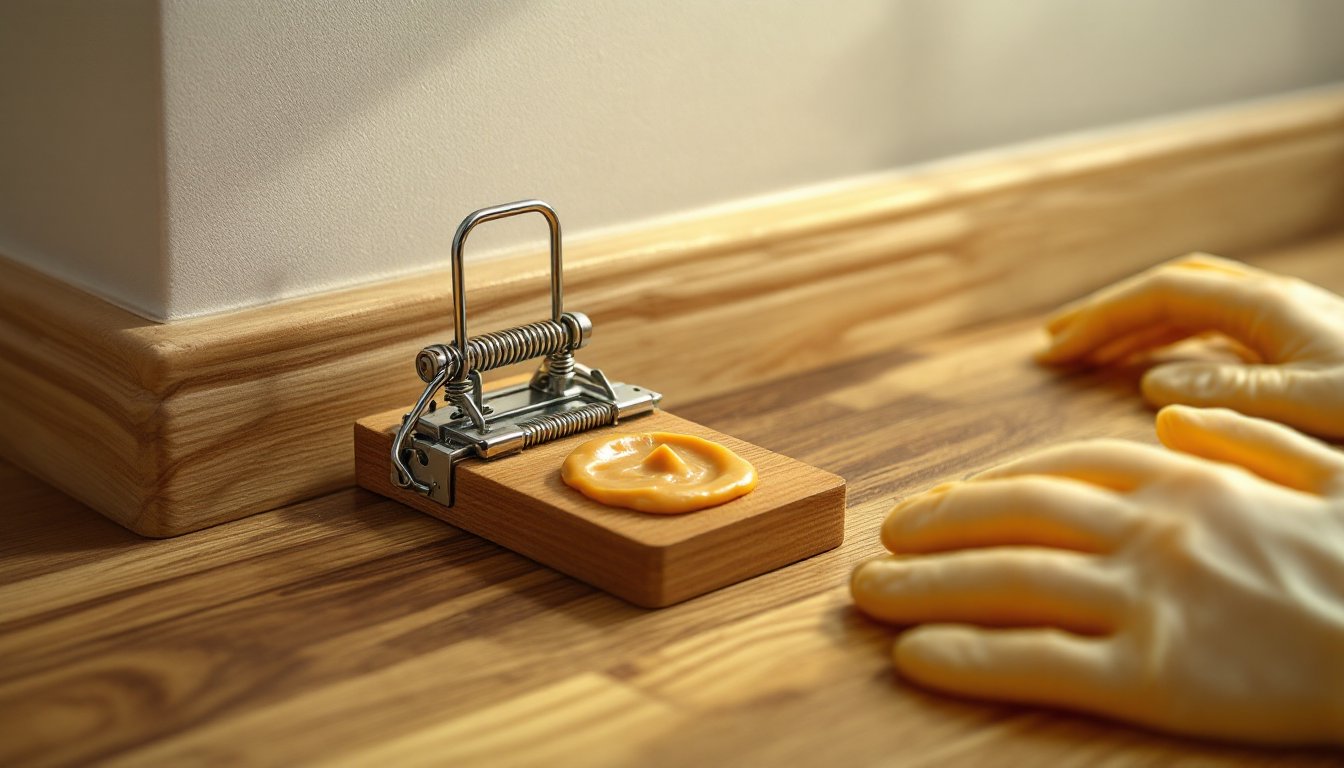

A mouse in the house isn’t just unpleasant, it’s a problem that needs solving fast. If you’ve spotted droppings, heard scratching in walls, or caught a glimpse of a furry intruder, you’re looking for a reliable solution. Victor mouse traps have been the go-to choice for homeowners and professionals alike for over a century, and for good reason. They’re straightforward, effective, and available in multiple styles to match different situations. This guide walks you through what makes Victor traps stand out, how they compare to alternatives, which model suits your needs, and how to set them up correctly for maximum success. Whether you’re dealing with your first mouse or you’re a seasoned DIYer tackling a recurring issue, you’ll find practical advice to reclaim your space.
Table of Contents
ToggleKey Takeaways
- Victor mouse traps offer reliable, affordable solutions ranging from classic snap traps ($3–$8) to electronic models ($25–$40), with designs suited for different home situations and comfort levels.
- Proper placement along walls and baseboards where mice show activity, combined with effective baits like peanut butter or nesting material, is critical to trap success.
- Always wear gloves, check traps daily, and dispose of dead mice within 24 hours to prevent disease transmission and additional pest attraction.
- Victor’s spring-loaded mechanism kills quickly without requiring electricity or batteries, making snap traps ideal for basements and utility areas where cost and reliability matter most.
- Setting multiple traps 3–5 feet apart significantly increases your chances of solving a mouse infestation faster than relying on a single trap.
- If a mouse problem persists after one to two weeks, consult a licensed pest control professional to identify entry points and prevent future infestations.
What Makes Victor Mouse Traps Stand Out
Victor traps have earned their reputation through reliable engineering and consistent performance. The classic Victor Original Snap Trap uses a spring-loaded mechanism that kills rodents quickly and humanely, no drawn-out suffering. The trigger sensitivity is calibrated to activate with minimal bait pressure, so mice can’t steal food without springing the trap.
One of the biggest advantages is simplicity. You don’t need batteries, electricity, or ongoing maintenance. Just set it, bait it, and it works. The durable plastic and metal construction holds up through repeated use, and replacement parts are inexpensive if anything wears out.
Victor also leads in variety. Whether you prefer traditional snap traps, electronic options, or enclosed designs, they offer models for different comfort levels and living situations. The company’s longevity in the market, since 1898, means the design has been refined through real-world use rather than marketing trends.
How Victor Traps Compare to Other Options
The rodent control market includes snap traps, electronic traps, glue traps, and live-catch options. Glue traps are widely panned by pest control professionals and animal welfare advocates because they cause prolonged suffering. Live-catch traps require you to transport and release the mouse, a task that’s more complicated than it sounds and risks bites or escape.
Electronic traps deliver a quick kill using a high-voltage shock. They’re more expensive upfront (often $25–$50 per trap) and require battery replacement, but they eliminate mess and reduce the need to handle a dead mouse. Experts in home improvement guides highlight that electronic traps work well in high-traffic areas where visibility matters.
Traditional Victor snap traps cost $3–$8 per trap and work reliably without power. They’re faster to set, require no electronics, and are easy to dispose of. The downside is that they require a steady hand and offer less shock value than seeing an electronic trap do its job. Many homeowners use a combination: snap traps in utility areas, electronic traps in kitchens or bedrooms where appearance counts.
Types of Victor Mouse Traps for Different Situations
Victor Original Snap Trap, The classic wooden base with a spring-loaded wire bail. It’s the most affordable ($3–$5) and doesn’t require electricity. Best for basements, attics, and utility spaces where you don’t mind a direct approach.
Victor Electronic Trap, Battery-powered, kills with a high-voltage shock, and includes an indicator light. Costs $25–$40 but eliminates mess and the need to handle a dead mouse. Ideal for kitchens, bedrooms, or anywhere family or guests might stumble across a trap.
Victor No Touch Trap, A covered design that prevents you from seeing or touching the dead mouse. You simply throw the entire trap away. Slightly more expensive (~$10–$15 per trap), but excellent if you’re squeamish or have pets that might nose around.
Victor Poison-Free Traps, Some models combine mechanical triggers with enclosures to keep pets and children from accidentally contacting the mechanism. These are useful in homes with curious toddlers or animals, though they cost more than basic snap traps.
Research from pest control reviewers confirms that Victor’s snap and electronic models consistently rank high for reliability and kill speed. Choose based on your comfort level with handling, the trap’s visibility in your home, and your budget.
Setting Up and Using Victor Traps Effectively
Placement is critical. Mice follow walls and baseboards, so set traps perpendicular to walls where you see droppings or activity. If you spot mouse sign in a corner, place the trap across that corner. Avoid open spaces in the middle of rooms, mice won’t cross them.
Bait choices matter. Peanut butter, chocolate, and nesting material (cotton balls, pet hair) are highly effective. Use a small amount, about the size of a pea. Overbaiting reduces trigger sensitivity. Replace bait every 2–3 days if no mouse has been caught: dried bait loses effectiveness.
Set the trap correctly. Pull the wire bail back until it clicks into the trigger notch. The spring should be tight and ready to snap. Place your fingers on either side of the bait cup, not directly over the wire, to avoid accidental firing.
Wear gloves when handling. Mice carry disease, and you don’t want to transfer it to your skin or accidentally crush a finger under a spring. Latex or nitrile gloves protect you and prevent your human scent from interfering with the bait.
Check traps daily. Don’t let a dead mouse sit for more than a day: disposal delays attract other pests. Place the trap and dead mouse in a sealed plastic bag, then dispose of it in the trash. Wash your hands immediately.
Set multiple traps. A single trap rarely solves a mouse problem. Place them in a line 3–5 feet apart along walls where you see activity. If you’re unsure of the extent of the infestation, err on the side of more traps, they’re inexpensive.
Safety Considerations for Homeowners
Always wear nitrile or latex gloves when handling traps, bait, or dead mice. Mice can carry hantavirus, salmonella, and other pathogens. Wash your hands thoroughly after cleanup.
Keep traps away from children and pets. Snap traps can cause serious injury. If you have young children or dogs that explore, use enclosed Victor models or keep traps in areas the family can’t access, behind appliances, in the attic, or in the garage.
Don’t use poison alongside snap traps. If a poisoned mouse eats bait and then wanders into a snap trap’s path, you’ve wasted time and bait. Choose one method and stick with it.
Consider the disposal method. Some municipalities have specific rules about disposing of dead rodents. If you’re uncomfortable handling disposal yourself, contact a local pest control professional. Most charge $100–$300 for a comprehensive inspection and trap-checking service.
Be aware of local regulations. Some jurisdictions require a pest control license to set traps or use certain rodent control methods. Check with your county or city building department if you’re dealing with an infestation in a rental property or commercial space.
Ventilate when cleaning. If mice have nested in insulation or drywall, wear an N95 mask to avoid inhaling dust that may contain droppings. Spray the area lightly with a damp cloth before removing debris to reduce particulates in the air.
Conclusion
Victor mouse traps remain one of the most reliable, affordable, and straightforward solutions for home rodent control. Whether you choose a classic snap trap, an electronic model, or an enclosed design, success depends on proper placement, effective bait, consistent checking, and safe disposal. Start with multiple traps along walls where you see activity, wear gloves, and check daily. If the problem persists after a week or two, or if you’re uncomfortable handling it yourself, call a licensed pest control professional, they can identify entry points and recommend sealing measures to prevent future infestations. Your home should feel safe and pest-free: Victor traps give you a practical tool to make that happen.