
An air purifier sitting in the wrong spot is like putting a smoke detector in the basement, it’s not going to do much good. The placement of your air purifier directly affects how well it cleans the air in your home, and many homeowners miss this detail entirely. Whether you’re dealing with pet dander, seasonal allergies, or general indoor pollution, where you put your air purifier matters just as much as which model you buy. This guide walks you through the practical considerations for positioning an air purifier where it’ll actually work, covering everything from understanding airflow to specific placement strategies for different rooms.
Table of Contents
ToggleKey Takeaways
- The best place to put an air purifier is where it captures air you breathe most—typically a bedroom nightstand or living room mid-wall location—with at least 12+ inches of clearance around intake vents.
- Corner placement is suboptimal because air naturally pools in corners; instead, position your purifier on mid-wall areas or slightly offset from center to maximize airflow circulation.
- Understanding your home’s airflow patterns before deciding where to place an air purifier is critical, as air follows paths of least resistance through doorways, vents, and windows rather than filling entire rooms uniformly.
- In high-pollution zones like kitchens, position the purifier 18–36 inches from cooking surfaces and use models with activated carbon filters, as HEPA filters alone cannot capture cooking odors and grease particulates.
- Avoid placing purifiers in corners, enclosed spaces, directly behind furniture, or blocking intakes with walls and clutter, as these locations force the unit to work harder and reduce effective coverage.
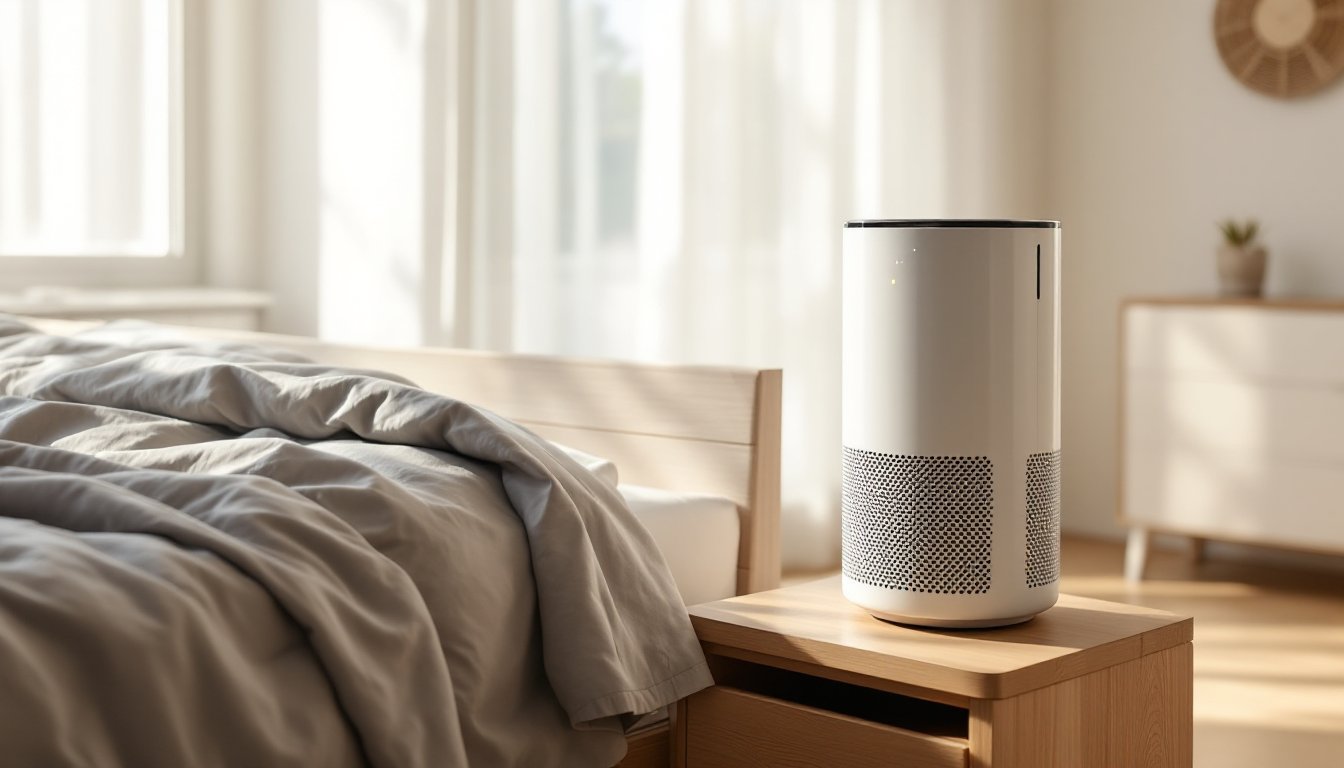
- For bedrooms, place the purifier on a nightstand 2–3 feet from your bed with the intake facing into the room and exhaust blowing toward the center, not directly at you, to optimize the air you breathe while sleeping.
Understand Your Home’s Air Flow Patterns
Before you decide where to place an air purifier, spend a few minutes observing how air actually moves through your home. Air naturally circulates from warm areas toward cooler ones and follows the path of least resistance through doorways, vents, and open spaces. Close your interior doors and watch where drafts move, you’ll notice air flowing under doors, around windows, and through return air vents. This isn’t abstract: it’s the route dust, allergens, and odors travel.
Your HVAC system is the primary force moving air in most homes. If your furnace or air handler is running, it’s pulling air through return vents and pushing it out through supply registers. A portable air purifier works differently, it pulls air from the room into its intake and pushes it back out through an outlet. The key is positioning your purifier so it captures air that hasn’t already been filtered by your HVAC, and so its output reaches the spaces where you spend the most time.
Open floor plans complicate things slightly because air mixes more freely. In homes with divided rooms and closed doors, airflow is more predictable. Take this into account when deciding whether a central hallway placement will serve adjacent rooms effectively. You might need multiple units in a larger home rather than relying on one purifier to clean everything.
Best Locations for Living Spaces and Bedrooms
Master Bedroom Placement Strategy
Your bedroom is where placement decisions matter most, you spend roughly eight hours there, often with the door closed. The goal is positioning your air purifier so it captures air you’re breathing and recycles it before stale, allergen-laden air accumulates. Place the purifier on a nightstand or low furniture at least two to three feet from your bed, not directly facing your head. The intake side should face into the room (away from walls), and you want the exhaust blowing toward the room’s center rather than directly at you.
Many people put purifiers in bedroom corners, thinking it’ll sweep the whole room. Corner placement is actually suboptimal because air naturally pools there and doesn’t circulate as freely to the purifier’s intake. Mid-wall placement or a spot slightly offset from the bed center works better. Avoid placing it against the wall behind the headboard, that wastes its cleaning capacity by processing air that never reaches you.
Height matters too. A nightstand placement puts the intake at roughly waist height when seated, which is reasonable. Some models have dual-directional intakes (top and sides), which performs better on tables than models with only bottom or front intakes. Check your unit’s documentation for air intake orientation.
Living Room and Common Areas
Living rooms and open-concept kitchens are trickier because these spaces often have higher traffic, more sources of pollution (cooking odors, pet activity), and more variable occupancy patterns. For a living room, position the purifier along a wall between where people typically sit and the room’s center, not jammed into a corner or against the wall behind furniture.
If your living room has an open kitchen, place the purifier closer to the kitchen side, cooking generates particulates and odors that you want captured. Keep it at least one to two feet away from stoves, walls, and furniture to avoid blocking its intake. A console table, low bookshelf, or dedicated stand works well: avoid hiding it in cabinetry or inside a TV stand, which restricts airflow.
For open-plan spaces, a centralized location often works best, roughly equidistant from major traffic areas. If your living area connects directly to bedrooms or home offices via doorways, the purifier in the common space creates some benefit for adjacent rooms, but you’ll want dedicated units for private spaces where you spend long, uninterrupted hours.
Strategic Placement for High-Pollution Areas
Bathrooms and laundry rooms are humidity-prone spaces where mold spores and moisture-related pollutants develop. An air purifier designed for wet environments (with appropriate HEPA and activated carbon filters) placed near the exhaust fan or in the upper corner away from direct water splash helps control these issues. Don’t place it directly above a toilet or shower, moisture will degrade filters faster and can damage the unit. A corner shelf or wall-mounted bracket keeps it functional without taking up floor space.
Kitchens are intense pollution zones due to cooking byproducts, grease, and odors. Position a purifier on a cart or counter between 18 and 36 inches from your cooking surface, with clear sight lines to where you cook most. Activated carbon layers in the filter become essential here: HEPA alone won’t capture cooking odors. Keep it far enough from the stove that heat doesn’t directly blow onto the intake, but close enough that cooking smoke passes through the filter instead of dissipating untreated into the rest of the home. Recent expert guidance on air purifier placement emphasizes keeping purifiers accessible and away from heat sources to maximize lifespan and effectiveness.
Pets introduce dander, odors, and particulates wherever they spend time. If your dog beds down on the living room sofa, that’s your hot spot, place a purifier within four to six feet of that area. Don’t directly face the intake toward where they sleep (it won’t harm the pet but may startle them): instead, position it so airflow from their area passes through the unit’s intake side naturally.
Height, Distance, and Clearance Considerations
Most air purifiers pull air from multiple directions, top, sides, or bottom, so unit height affects intake effectiveness. Floor placement works for many models, but slightly elevated (two to four feet high) placement improves air circulation, especially in rooms with little air movement. A console table, dresser, or sturdy cart keeps the unit accessible and ensures airflow isn’t blocked by baseboards or floor materials.
Clearance matters more than many people realize. Your purifier needs at least 12 to 18 inches of open space on all sides of its intake (typically marked with arrows or clearly visible vents) and 12 inches clearance from its exhaust. Walls, furniture, curtains, and clutter block airflow, forcing the unit to work harder and reducing effective coverage. Think of it like your furnace, it needs room to breathe. If you’re constrained on space, choosing a wall-mount purifier or one with output directed backward (along the wall) can minimize impact while maintaining functionality.
Distance from your breathing zone also factors in. Place bedroom and personal-space purifiers no closer than 18 inches from where you sleep or work for comfort. Air being rapidly pushed out at close range can feel uncomfortable, even if it’s clean air. This is particularly relevant for smaller units with concentrated output. Bigger units distribute airflow over a wider area, so they can sit slightly closer without creating a draft sensation. Tech resources like Digital Trends and CNET reviews often test real-world placement and noise considerations, which help validate manufacturer recommendations for your specific model and room type.
Conclusion
The best place to put an air purifier is where it captures the air you breathe most and has unrestricted access to room circulation. For most homes, that means a bedroom nightstand or living room mid-wall location, at least one to two feet from walls, with 12+ inches of clearance around intake vents. Avoid corners, enclosed spaces, and spots directly behind furniture. Once positioned, monitor filter condition and airflow patterns for a month or two, you’ll quickly see if placement is working or if you need to adjust. Small moves often yield noticeable improvements in air quality and how effectively your purifier operates over time.